insight
Clear Defaults

The conversation around healthy buildings has evolved significantly over the last decade. What was once primarily focused on sustainability and energy efficiency has shifted toward something far more human-centered: creating spaces that actively support health, wellbeing, cognitive performance, and quality of life.
One of the most widely recognized frameworks driving this conversation comes from Harvard’s Healthy Buildings Program, which identified the “9 Foundations of a Healthy Building.” These foundations include ventilation, air quality, thermal health, moisture management, dust and pest control, safety and security, water quality, noise, and lighting and views. Together, they establish a framework for understanding how indoor environments directly impact the people inside them.
While each foundation contributes to occupant wellbeing, lighting has emerged as one of the most influential elements because it affects more than just visibility. Light directly influences how people think, feel, sleep, focus, and perform throughout the day.
For organizations designing healthier, higher-performing spaces, lighting is no longer simply about illumination. It has become a critical part of the human experience within the built environment.
For decades, lighting design focused primarily on a single objective: providing enough illumination for people to see comfortably and complete visual tasks efficiently. Today, research shows that this only addresses part of lighting’s role within the built environment.
According to Harvard’s Healthy Buildings evidence framework, the human eye serves two distinct functions. The first is visual, allowing us to see our surroundings. The second is biological, signaling information about time of day to the brain.
These visual and non-visual responses to light are governed by different photoreceptors and react differently to light intensity, timing, spectrum, and exposure patterns.
This distinction fundamentally changes how lighting should be viewed within modern building design. Lighting is not simply an architectural utility or an aesthetic layer. It is a biological input that directly influences human physiology.
This matters because modern life has dramatically reduced exposure to natural daylight. The average person now spends approximately 90% of their time indoors, often under electric lighting conditions that differ significantly from natural daylight in intensity, timing, and spectral composition.
As a result, many indoor environments unintentionally work against the biological systems that regulate sleep, alertness, mood, and performance.
Human biology evolved around a stable cycle of bright days and dark nights. Harvard’s Healthy Buildings research explains that the brain’s circadian clock requires daily synchronization through exposure to a consistent 24-hour light-dark cycle. Without appropriate light exposure, that internal clock can become disrupted, leading to sleep disorders and broader health consequences.
The circadian system regulates many essential physiological functions, including:
When circadian rhythms become misaligned, the effects extend well beyond fatigue. Harvard’s evidence framework notes that circadian disruption has been associated with increased accident risk, cardiovascular disease, diabetes, and certain forms of cancer.
This is why lighting has become such an important conversation within healthy building design. The quality of light exposure throughout the day can either support or disrupt the biological systems responsible for human health and performance.
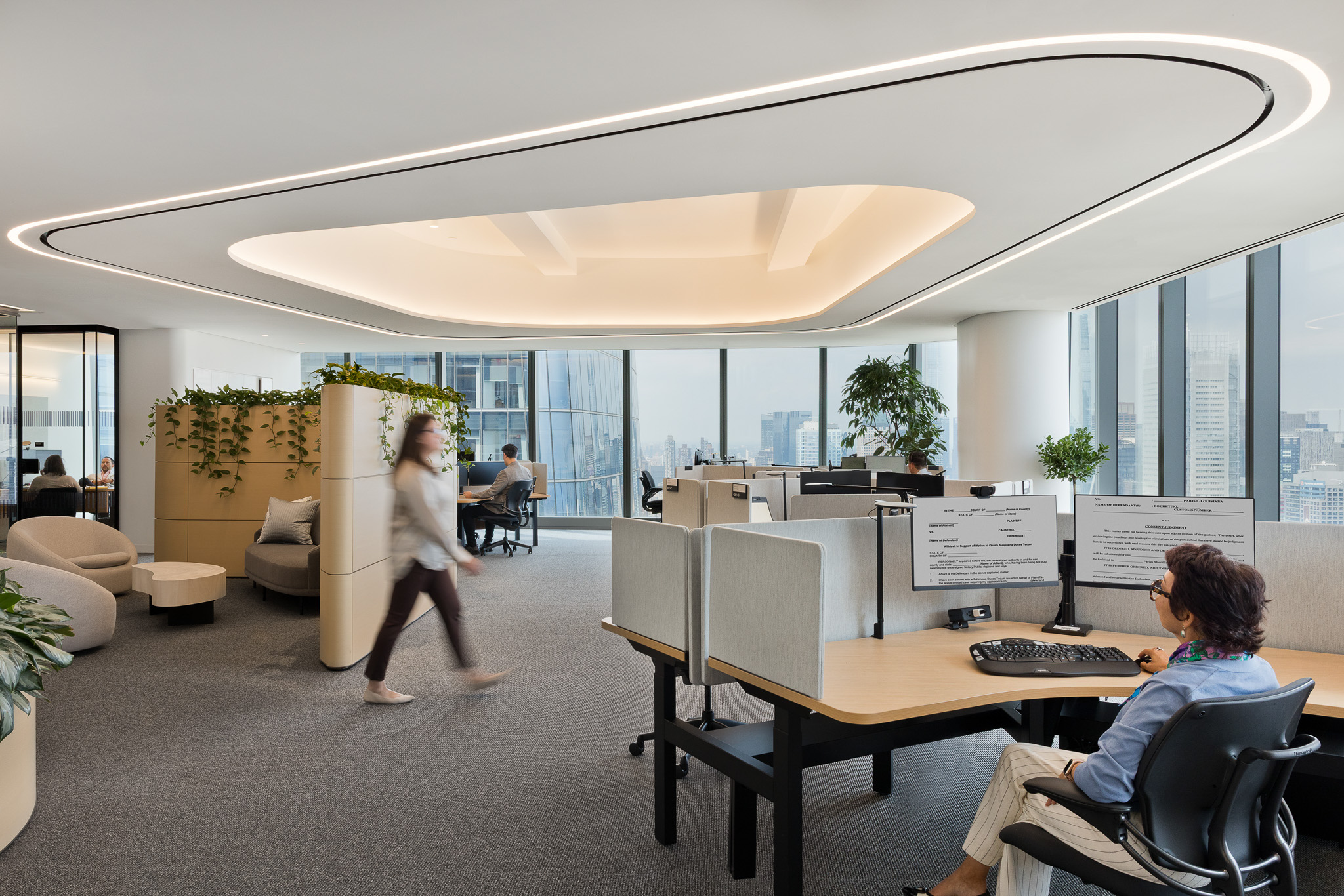
Not all light affects the body in the same way.
Research increasingly demonstrates that both the intensity and spectrum of light influence non-visual biological responses. Harvard’s evidence report explains that these responses are primarily mediated by photoreceptors in the eye that are most sensitive to short-wavelength blue light, peaking at approximately 480 nanometers.
This means lighting conditions can directly influence how alert, focused, or fatigued people feel within a space.
Higher-intensity, blue-enriched light during daytime hours has been shown to:
At the same time, excessive exposure to blue-enriched light during evening hours can interfere with melatonin production and negatively impact sleep quality.
This is one of the reasons static lighting systems are becoming increasingly outdated. Human biology is dynamic, and lighting systems must increasingly respond to those changing biological needs throughout the day.
One of the central principles of healthy lighting design is delivering the right light at the right time.
Bright, biologically stimulating light during the morning and daytime hours helps reinforce circadian alignment and supports focus, alertness, and productivity. In contrast, reducing light intensity and short-wavelength content later in the evening helps prepare the body for sleep by supporting melatonin production and reducing alertness.
This concept is reshaping how modern lighting systems are designed and controlled.
Rather than maintaining the same illumination levels throughout the day, healthy buildings are increasingly adopting dynamic lighting strategies that adapt over time. Tunable white lighting, circadian lighting systems, daylight integration, and intelligent controls are helping create indoor environments that more closely align with natural human rhythms.
This shift represents a major evolution in lighting design. The focus is no longer simply on visibility or efficiency. It is about creating lighting environments that actively support occupant wellbeing and performance throughout the day.
Harvard’s evidence framework links daylight exposure and access to windows with improved sleep duration, reduced sleepiness, better mood, lower blood pressure, and increased physical activity.
Access to natural views also plays a meaningful role in occupant wellbeing. Research cited in the report found that students with views of green landscapes experienced faster recovery from stress and mental fatigue and performed better on attentional tasks compared to students without access to natural views.
This growing body of research continues to reinforce the importance of biophilic design and daylight-responsive architecture within healthy buildings.
Natural light and visual connection to the outdoors are no longer viewed as aesthetic enhancements alone. They are increasingly recognized as contributors to physical, psychological, and cognitive wellbeing.
As the understanding of healthy buildings continues to evolve, lighting design is becoming far more human-centric.
Traditional lighting strategies often prioritized illumination levels, energy efficiency, and uniformity. While those metrics remain important, healthy building design now requires a deeper understanding of how lighting affects people biologically and psychologically.
Modern lighting systems must consider:
High-performance lighting environments balance visual comfort with biological effectiveness.
This is driving increased adoption of:
For designers, architects, engineers, and lighting manufacturers, the opportunity is no longer just about illuminating spaces. It is about shaping healthier human experiences through light.
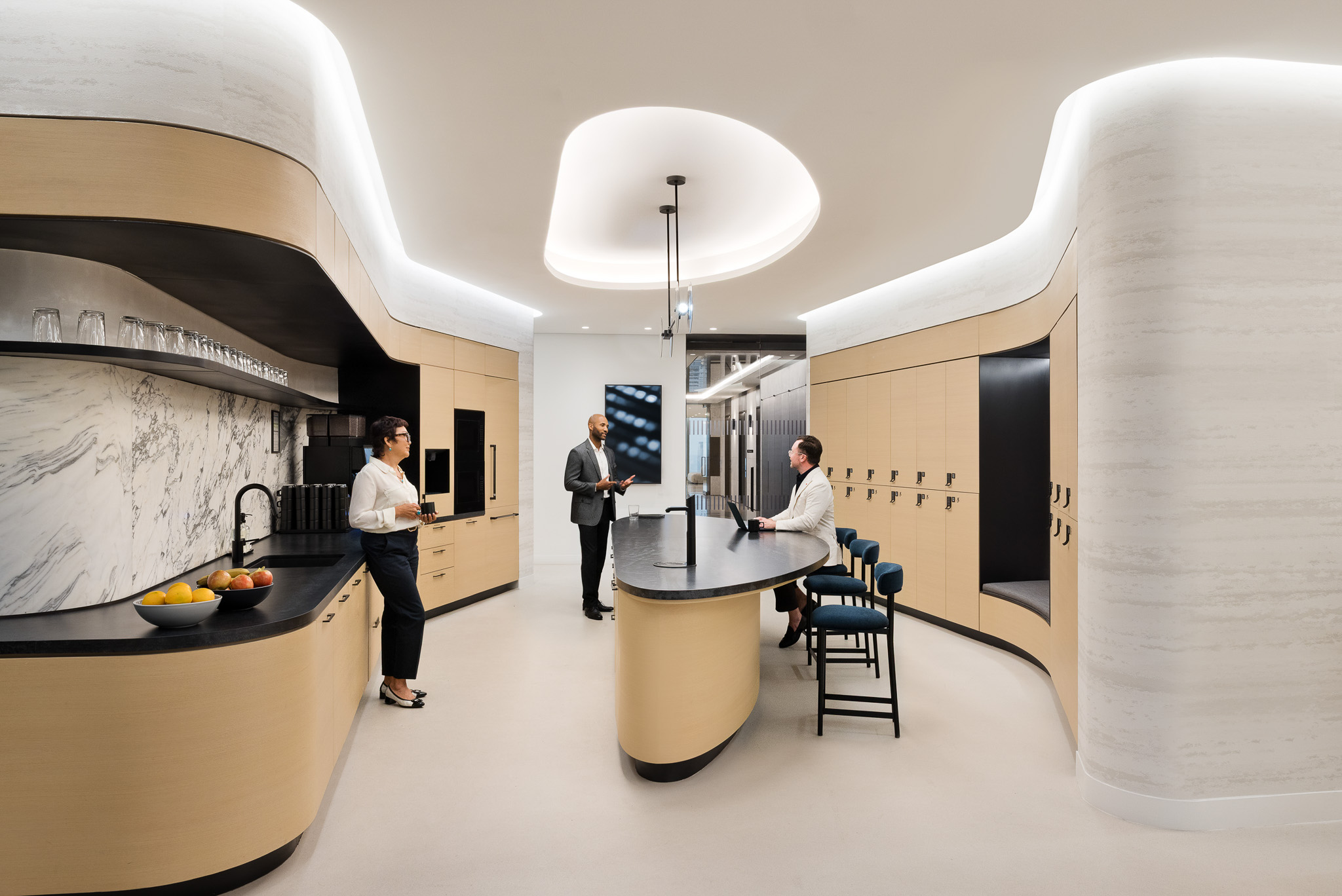
As research continues to strengthen the relationship between light exposure, circadian health, cognitive performance, and indoor environmental quality, lighting is becoming one of the most influential tools available for improving the occupant experience.
Healthy buildings are ultimately about more than the spaces themselves. They are about creating environments that help people feel better, think more clearly, sleep more effectively, and perform at a higher level.
And increasingly, that begins with light.