insight
Clear Defaults

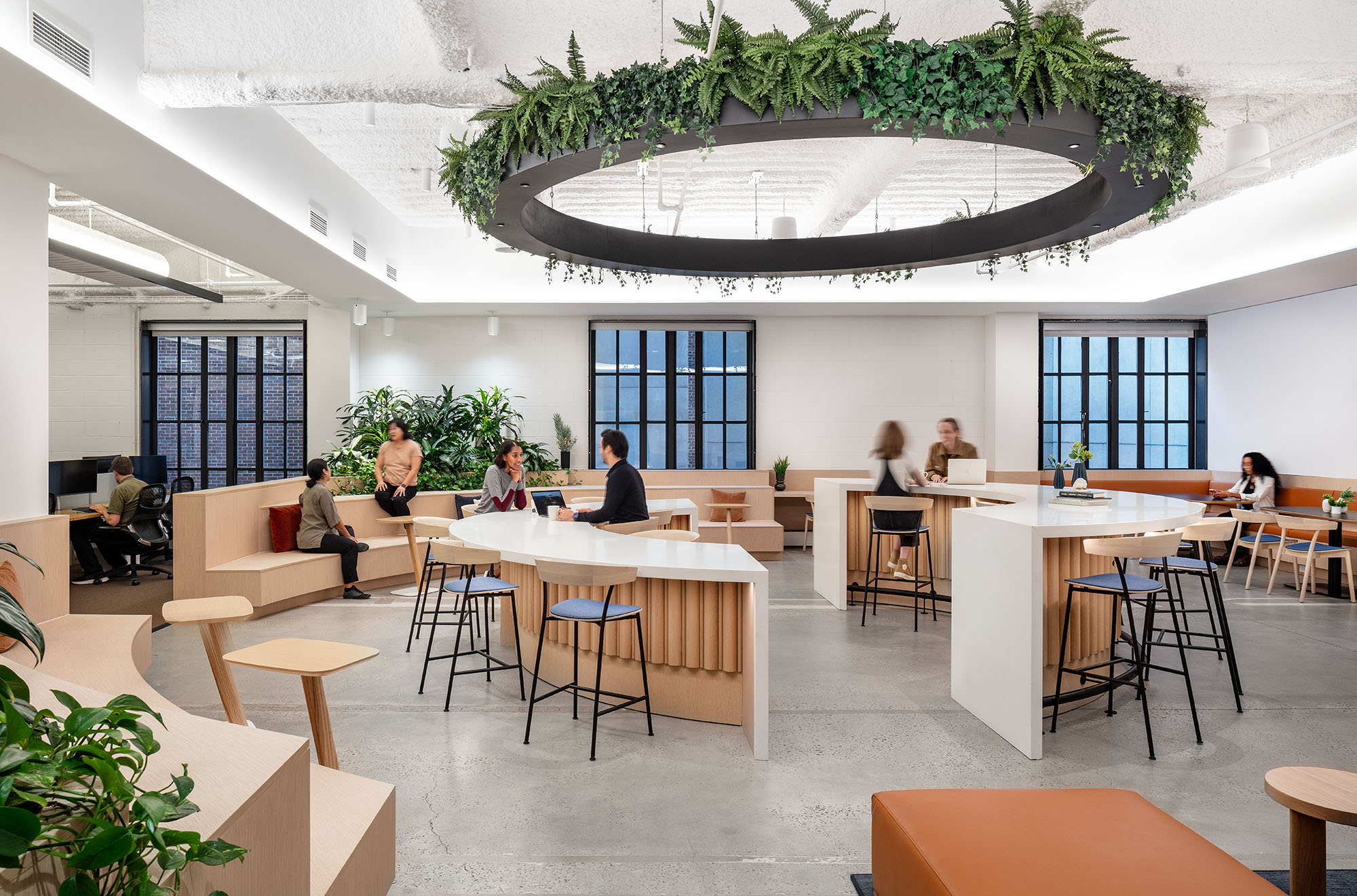
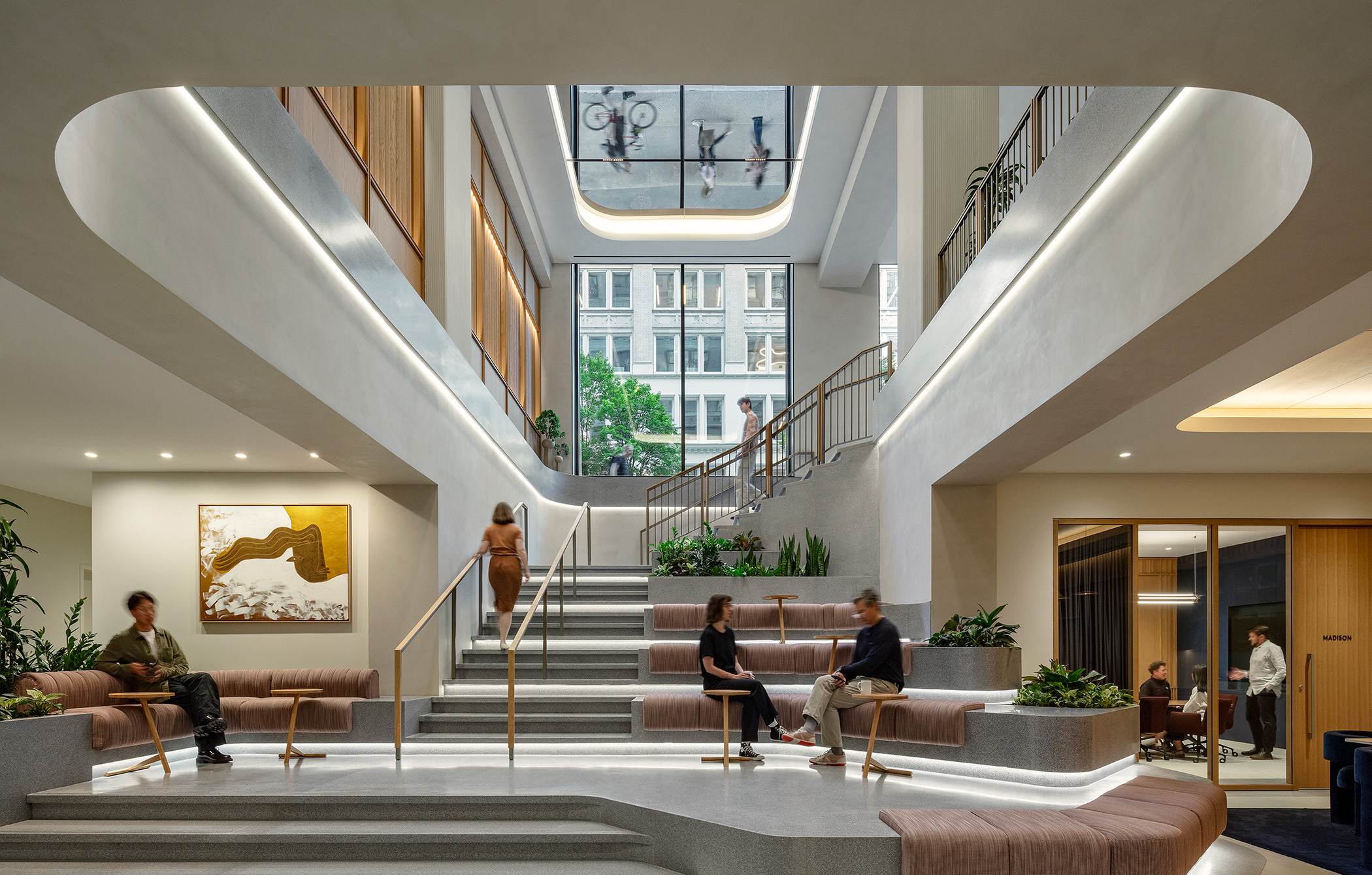
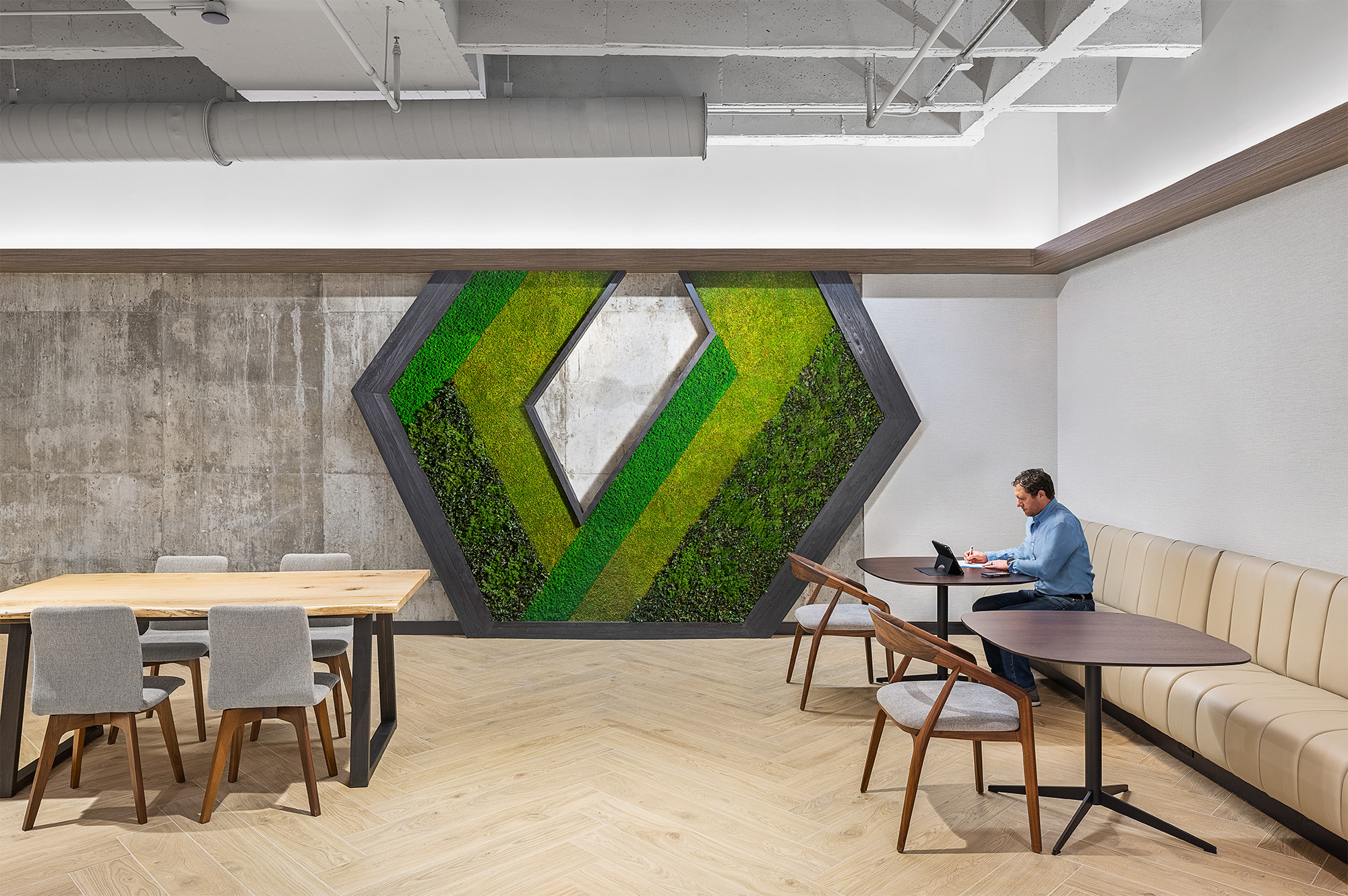
Cove lighting is no longer a secondary design consideration in commercial architecture. When properly specified, it functions as a high-performance indirect optical system that delivers spatial visual uniformity, energy efficiency, and even neurobiological benefit through circadian lighting cues. In contrast to direct troffers or recessed downlights, cove systems create luminous ceilings and walls by leveraging reflective emission as the primary distribution method.
Cove lighting systems utilize Lambertian reflectance from ceiling or wall planes to achieve diffuse, glare-free illumination. The ceiling becomes a secondary light-emitting surface that contributes to vertical illuminance, spatial gradient smoothness, and reduced luminance ratio discrepancies within the visual field.

Indirect lighting enhances visual comfort by reducing glare and shadows, creating a softer and more balanced luminous environment. Its seamless integration with architectural features adds a sense of refinement and sophistication while minimizing the visibility of fixtures. Designed for energy efficiency, modern LED cove systems with programmable controls enable strategies such as daylight harvesting and zone-based management. Additionally, with tunable white technology and precise beam direction, cove lighting can support circadian rhythms and align with human-centric lighting standards such as WELL v2 and UL 24480.
Pro Tip: Consider wall-wash vs. ceiling-wash beam shaping based on spatial height and reflectance values. Always use calibrated photometric data.
The ceiling's ability to redistribute light depends on its hemispherical reflectance coefficient (ρ), material texture, and color. The luminance and spatial uniformity of the indirect emission are linearly related to ρ. Use BRDF (Bidirectional Reflectance Distribution Function) data when available for surfaces that deviate from ideal Lambertian behavior. Ceiling material selection must be coordinated during early architectural phases to preserve system efficacy
Pro Tip: When evaluating surface reflectance for lighting distribution, use the Light Reflectance Value (LRV) of paints as a reliable baseline—but remember that it represents visible light reflectance under standard test conditions, not the total spectral reflectance your luminaires may interact with.
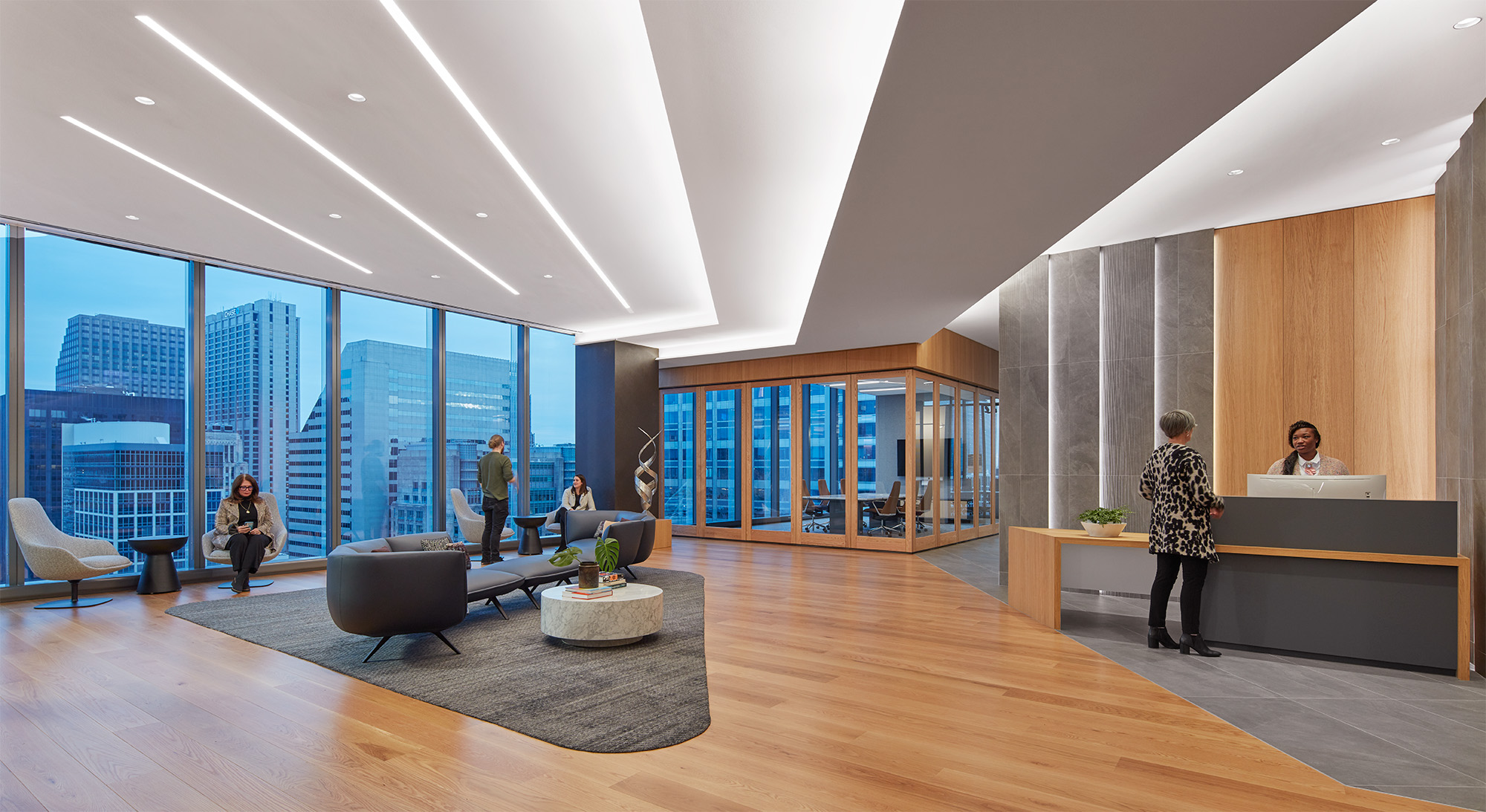
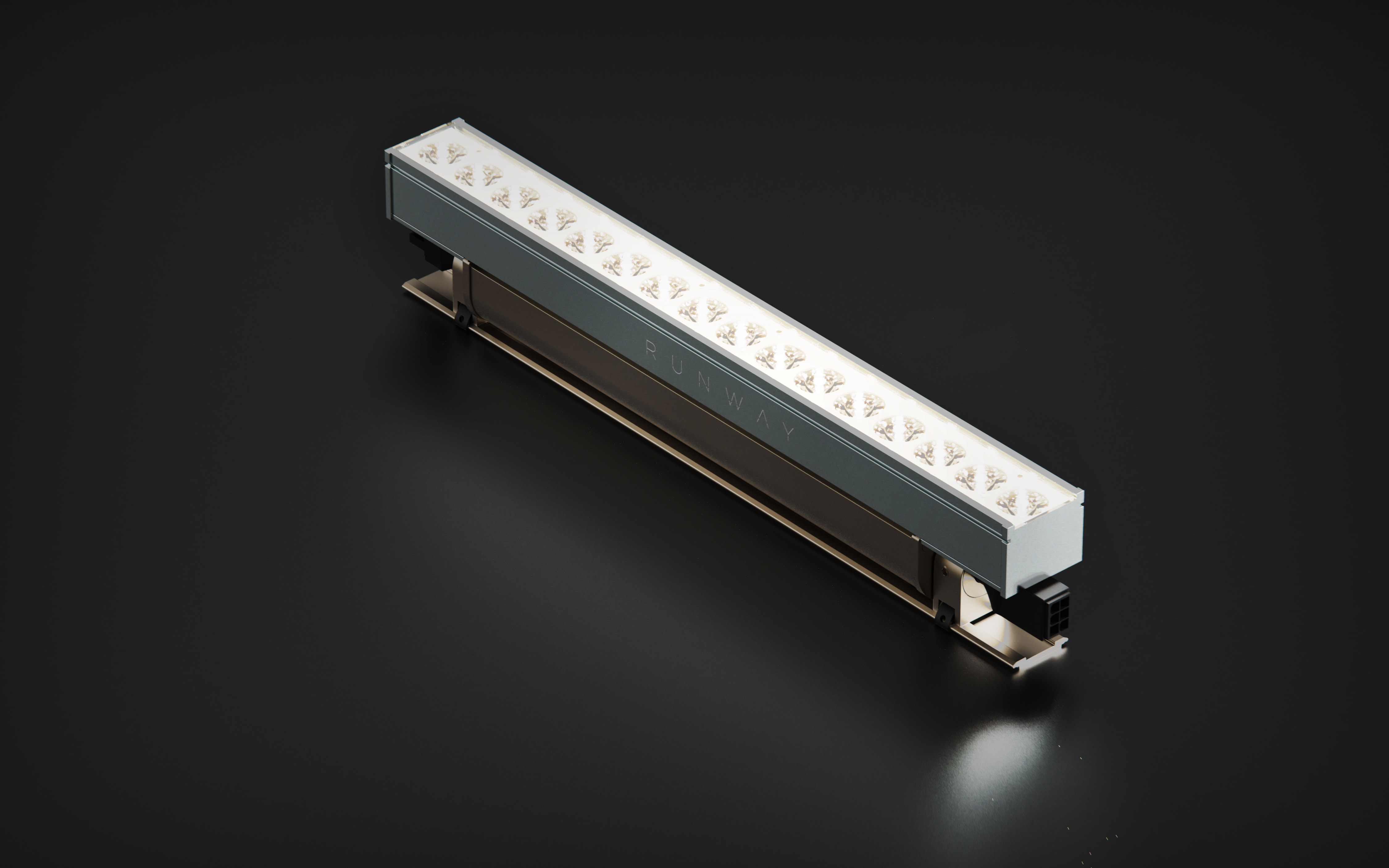
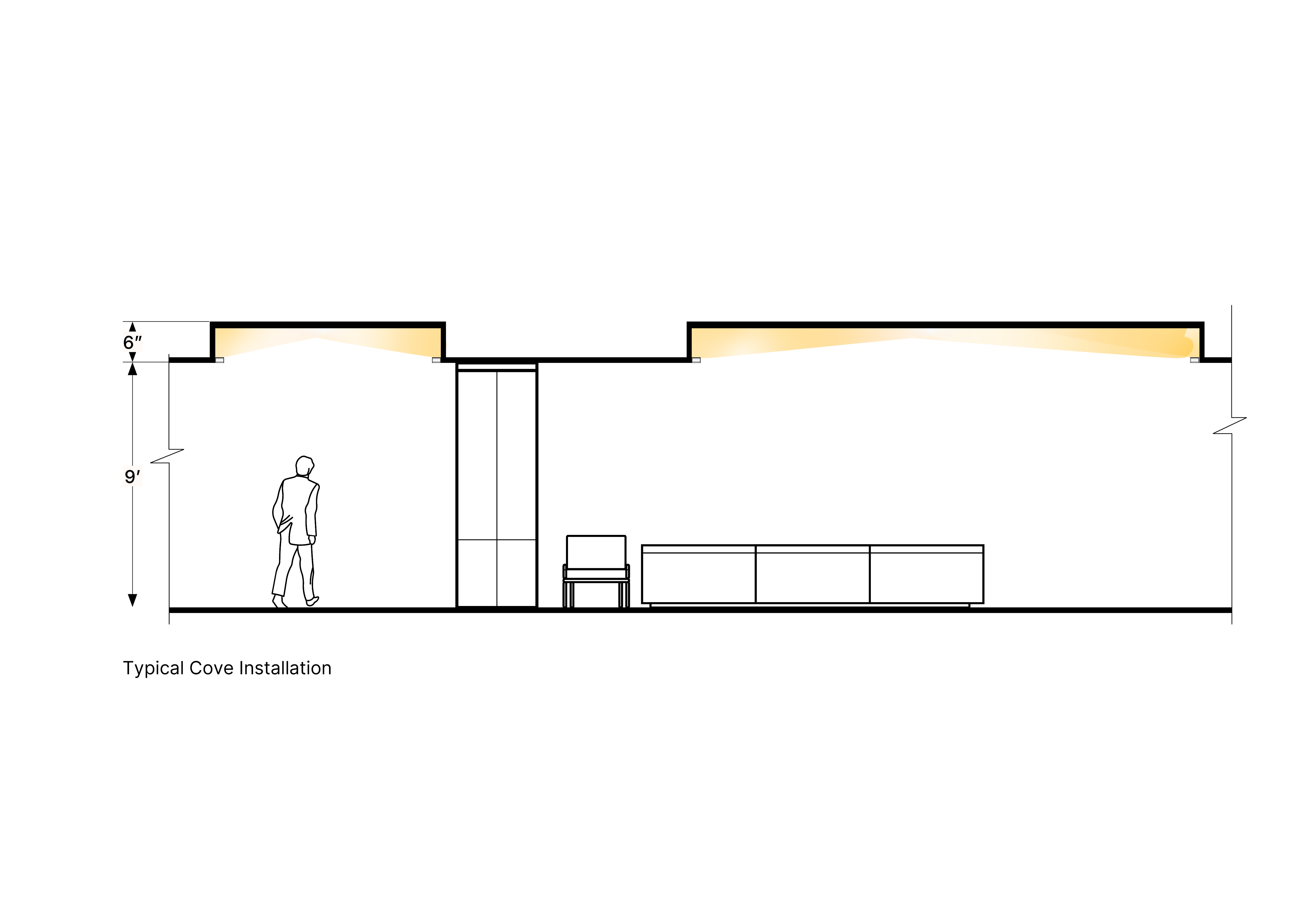
Cove fixtures employing asymmetric lensing can direct a majority of luminous flux toward a defined ceiling or wall zone without wasting energy in undesirable directions. This beam shaping increases system efficacy, prevents luminous scalloping, and allows tighter control over illumination ratios.
These systems provide a more uniform wall-wash or ceiling-wash distribution, delivering enhanced vertical illuminance that is particularly beneficial in environments such as offices and healthcare corridors. At the same time, they minimize the risk of over-illumination in adjacent ceiling areas, ensuring a balanced and visually comfortable lighting experience.

Asymmetric Beam Cove Lighting Example
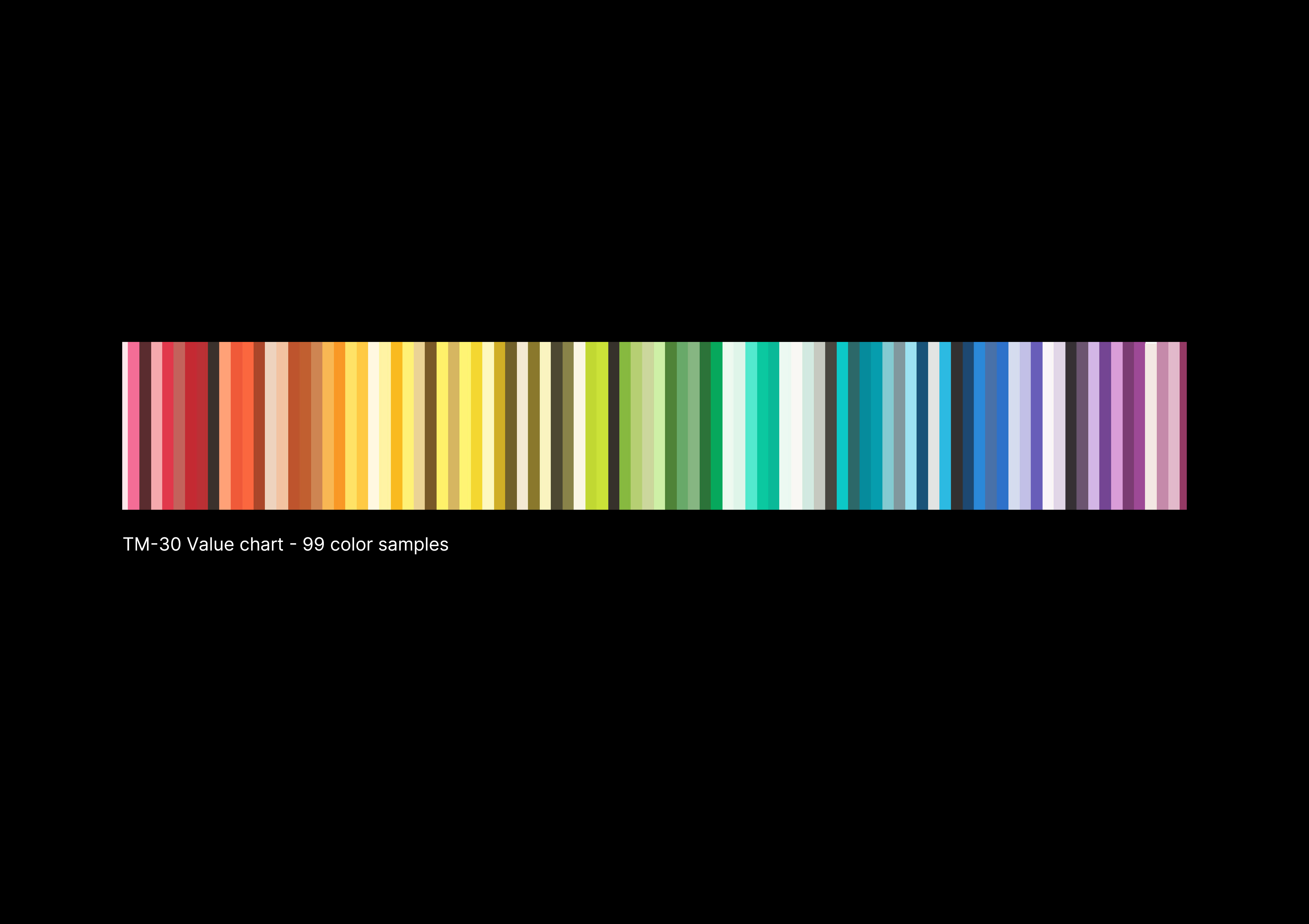
TM-30-18 evaluates 99 color evaluation samples (CES) and reports three primary indicators:
Rf (Fidelity Index): Measures similarity to a reference spectrum; scale 0 to 100.
Rg (Gamut Index): Assesses color saturation or desaturation effects; optimal range 98 to 105.
CVG (Color Vector Graphic): Graphical map of hue and chroma shifts, especially useful for skin tones, textiles, and branding.
For architectural-grade cove applications, the following values are recommended:
Rf 90 for visually critical spaces.
Rg 98-105 for balanced saturation. Avoid Rg<95.
R9 (deep red CRI subset) >50 for proper skin tone rendering.
Specification Parameters
For optimal performance in architectural cove and indirect lighting, fixtures should deliver high color fidelity (TM-30 Rf ≥ 90) for accurate material rendering. A color gamut (Rg) between 98–105 maintains natural saturation, while R9 ≥ 50 ensures strong deep-red performance—essential for warm finishes and skin tone accuracy.
The non-visual effects of light are mediated primarily by intrinsically photosensitive retinal ganglion cells (ipRGCs), which are sensitive to short-wavelength (blue) light. The melanopic equivalent daylight illuminance (EDI) quantifies circadian stimulus and can be enhanced via indirect sources like cove lighting.
Cove lighting plays a unique role in circadian-supportive environments by delivering diffuse, non-glare illumination that enhances visual comfort while maintaining high EML levels. Through tunable white systems spanning 2700K to 6500K, cove fixtures enable smooth CCT transitions and integrate seamlessly with control systems to simulate natural dawn and dusk conditions. This indirect approach minimizes direct ocular exposure, mitigating overexposure risks while sustaining effective circadian signaling—ensuring compliance with WELL v2 and supporting human-centric design goals.
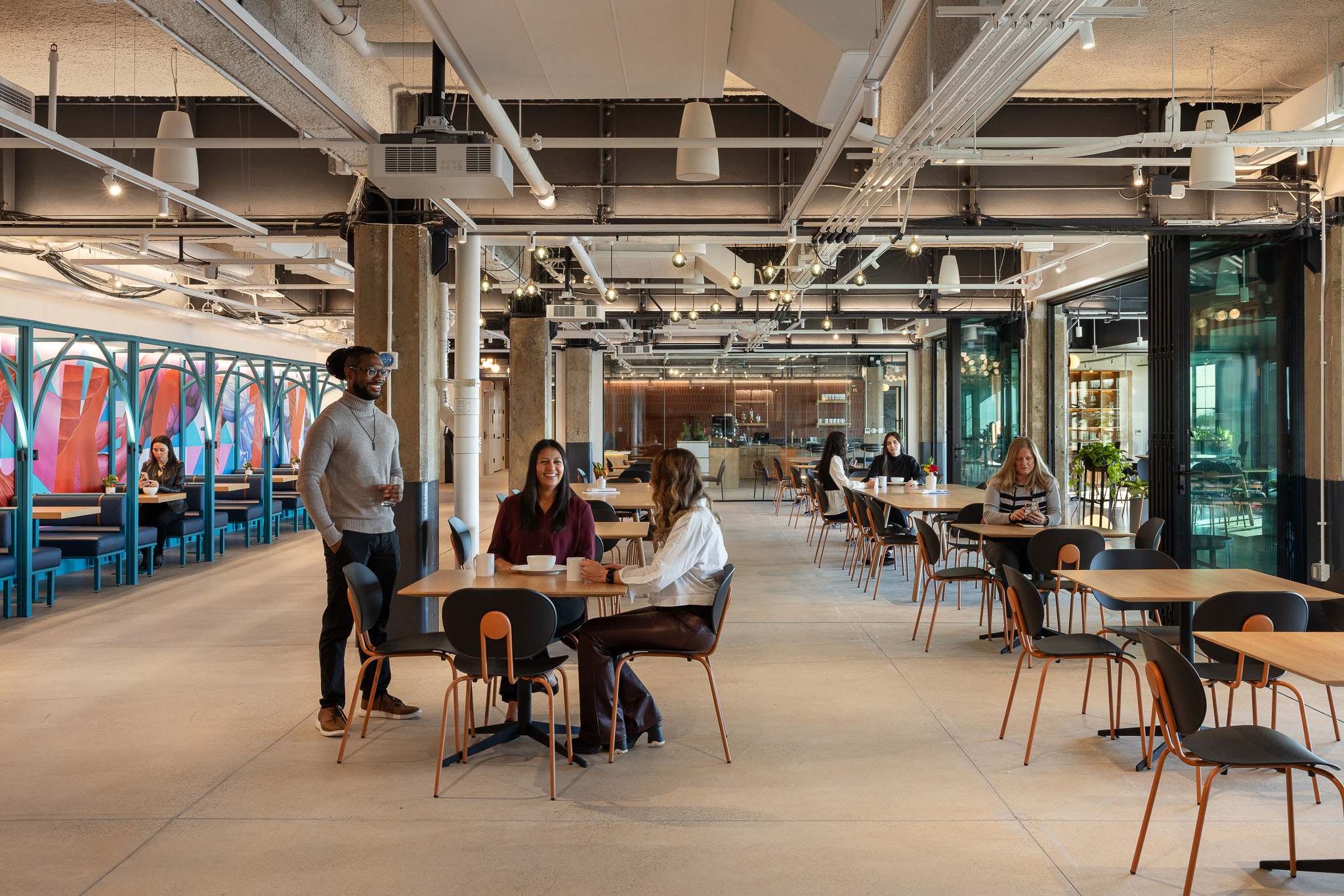
Circadian lighting design is guided by several standardized metrics. Equivalent Melanopic Lux (EML), referenced in WELL v2 and CIE S 026, quantifies light’s impact on circadian stimulation. The M/P Ratio (melanopic-to-photopic ratio) provides a comparative measure of spectral content for compliance evaluation. Meanwhile, the Circadian Stimulus (CS) model, developed by the Lighting Research Center (LRC), offers a predictive framework for assessing biological effectiveness in real-world applications.
Pro Tip: Use tunable white fixtures (2700K–6500K) with DALI DT8 controls to emulate natural daylight rhythms—programming smooth spectral transitions that align with the body’s circadian cycle and promote alertness, comfort, and well-being throughout the day.
Circadian lighting strategies have been shown to improve mood and reduce fatigue in office environments, helping occupants maintain focus and productivity throughout the day. In healthcare settings, dynamic lighting can enhance wayfinding and reduce agitation among dementia patients, creating calmer, more supportive spaces.
In clinical environments, properly tuned lighting can accelerate healing and reduce pain perception, contributing to overall patient comfort and recovery. When light levels and color temperatures are adjusted thoughtfully across the circadian cycle, occupants also experience improved sleep quality and more natural rest–wake patterns.
Through tunable white systems spanning 2700K to 6500K, designers can enable gradual CCT transitions and integrate dawn/dusk simulations using advanced control systems aligned with chronobiological principles. Cove lighting is particularly effective for this application, delivering diffuse, ambient illumination that shapes luminous environments without introducing glare or high-contrast ratios—ideal for supporting human-centric lighting goals.

Operate within 4–12 W/ft at 120–277V AC for broad system compatibility. Use asymmetric optics to achieve uniform wall- or ceiling-wash distribution, maintaining a 6–24 in mounting distance from the target surface to balance luminance and uniformity.
Controls & Compliance
Support DALI-2, DMX, or 0–10V protocols for precise dimming, color tuning, and scene control. Emergency operation must meet UL 924 standards, and surrounding finishes should maintain reflectance (ρ) > 0.80 to maximize optical efficiency.
Testing & Documentation
Submittals must include IES LM-79 photometric data, TM-30-18 spectral reports, and mounting tolerances. Confirm all photometric data through LM-79 testing, and reference TM-21 lifetime projections derived from LM-80 results to verify long-term performance and consistency.
Achieving exceptional lighting outcomes begins with early integration of reflectance modeling to understand how surfaces shape light distribution. Validate color rendering with TM-30 metrics rather than relying solely on CRI to ensure true-to-life material and finish representation. Optimize beam angles to suit each space and task, balancing visual comfort with performance. Leverage tunable white systems to support both circadian health and emotional ambiance, and integrate advanced controls to deliver dynamic, responsive illumination that adapts seamlessly to user needs and architectural intent.


Limitations of 24V DC
Low-voltage (24V DC) systems often face design constraints due to voltage drop beyond 20–30 feet, which limits layout flexibility and consistency in light output. They require remote drivers and heavier-gauge wiring, adding complexity to installation and coordination. Integrating UL 924 emergency functionality can also be challenging, increasing both cost and system intricacy in commercial applications.
Advantages of 120–277V AC Systems
By contrast, 120–277V AC architectures support long continuous runs without voltage drop issues, enabling greater design freedom. They simplify wiring through standard Class 1 branch circuits and allow direct UL 924 emergency integration, aligning seamlessly with conventional electrical engineering practices. Compose™ by i2Systems exemplifies this approach—a native 120–277V AC cove lighting system purpose-built for commercial environments, eliminating the need for low-voltage infrastructure while enhancing scalability and reliability.