insight
Clear Defaults


Architectural placemaking relies on clear visual hierarchy and consistent design intent across the built environment. Lighting plays a central role in reinforcing this hierarchy by defining form, guiding movement, and shaping spatial experience after dark.
For specification clarity and performance control, architectural lighting in placemaking projects is best divided into two categories: building lighting and landscape architectural lighting. Each category serves a distinct function and requires different optical, mechanical, and control characteristics.

Building lighting is concerned with the illumination of architectural elements. Its primary purpose is to articulate form, materiality, and scale while establishing the building’s presence within its urban context.
This category includes facade illumination, architectural accents, entrances, vertical elements, and integrated building details. Light is applied selectively to emphasize key features rather than uniformly washing entire surfaces. Properly executed, building lighting reinforces architectural intent and provides nighttime identity without excessive brightness.

Because building lighting interfaces directly with architecture and urban sightlines, precision is critical. Optics must deliver controlled distributions with minimal spill and glare, particularly in dense or mixed-use environments. Color consistency across fixtures is essential to maintain material fidelity and avoid visual fragmentation.
Fixtures must also integrate cleanly into the building envelope. Mounting, alignment, and long-term serviceability should be considered during specification to ensure the lighting remains consistent over the life of the building.
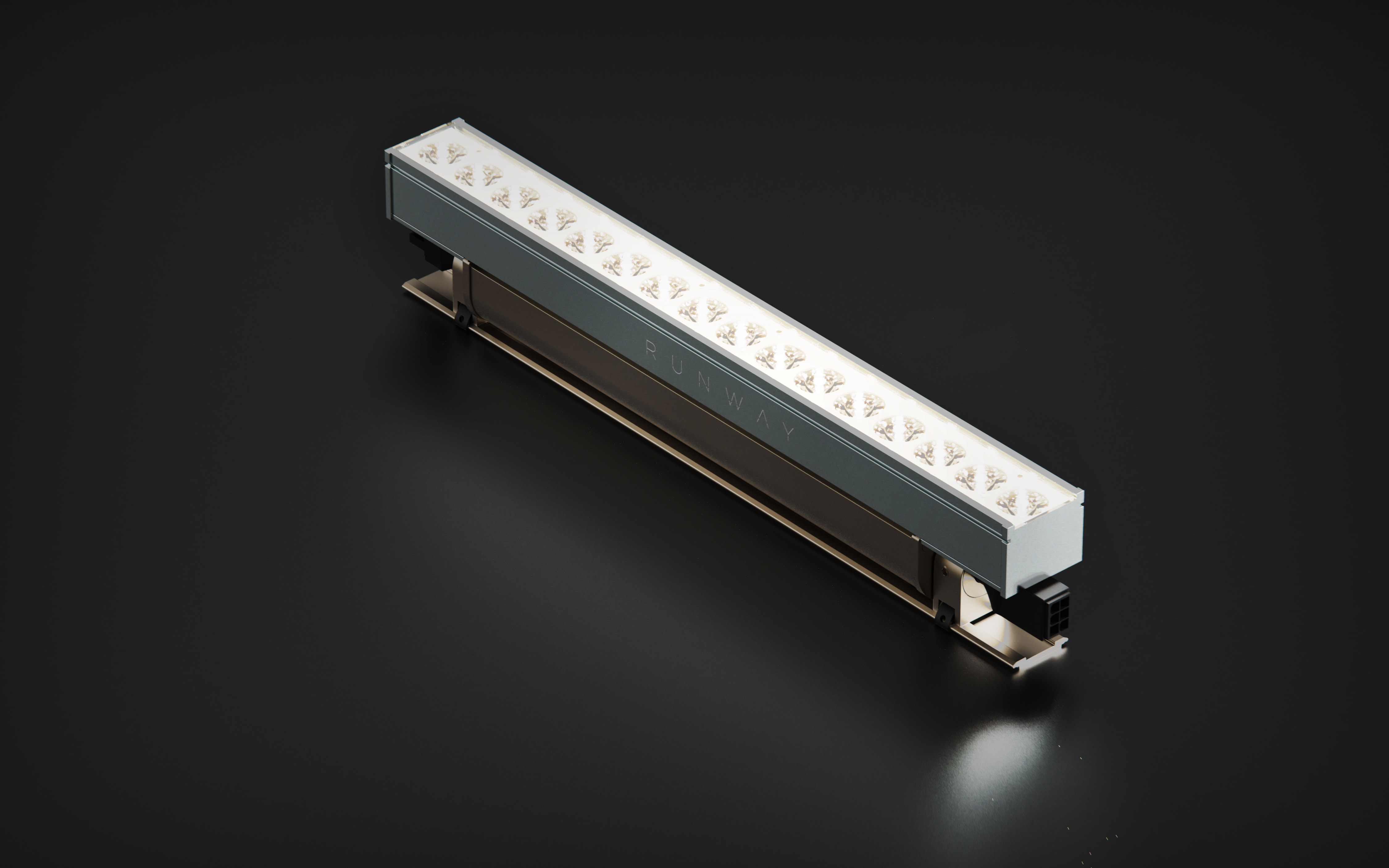
Pro Tip: Graphite is well suited for architectural building lighting where precision and integration are required. Its optical control and form factor support facade illumination, architectural accents, and urban-facing elements without visual clutter.
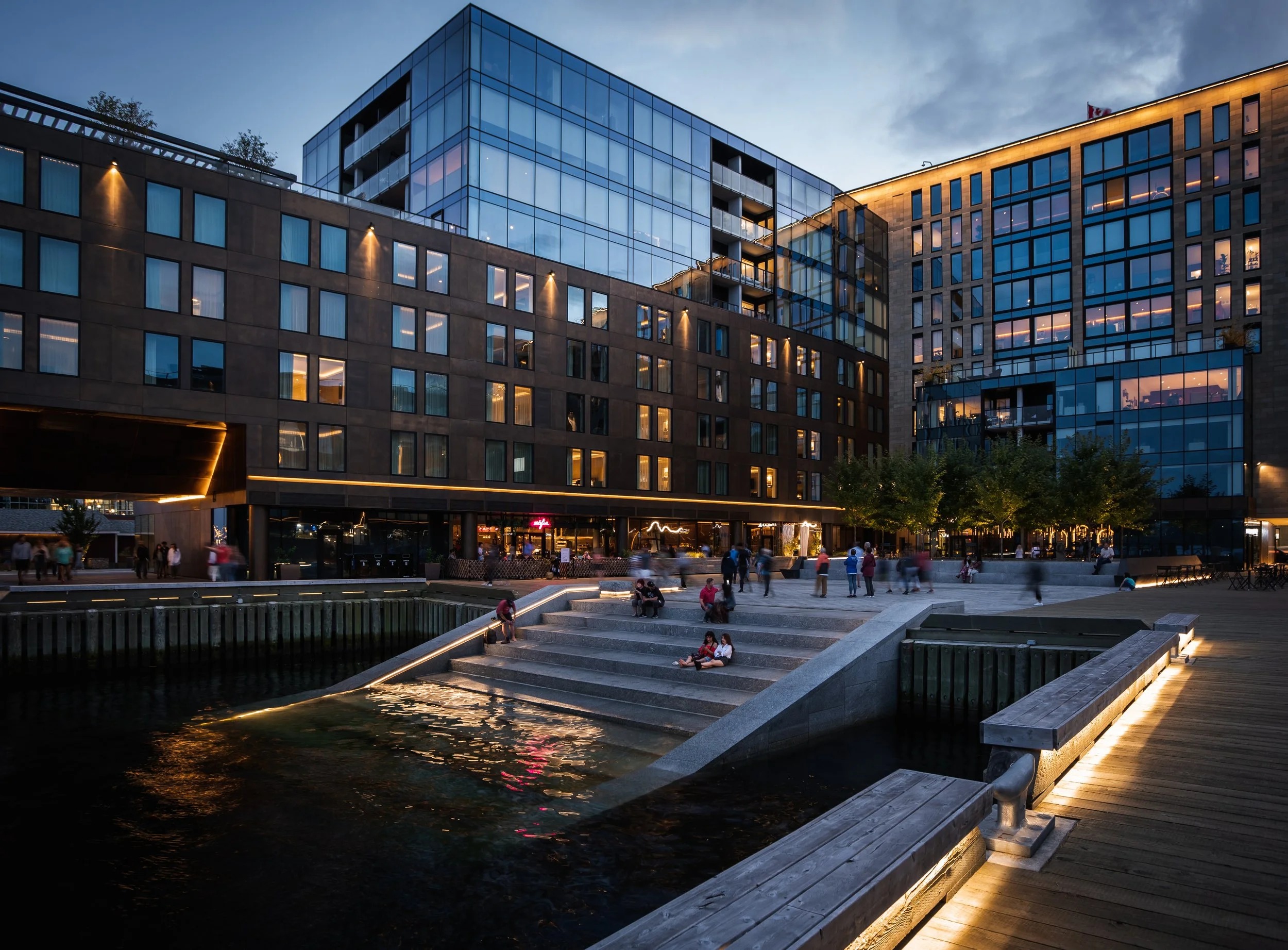
Landscape architectural lighting focuses on outdoor spaces that support movement, interaction, and occupancy. Rather than emphasizing buildings, it addresses pathways, plazas, planting zones, site edges, and pedestrian-oriented urban spaces.
The objective is to provide visual comfort, spatial clarity, and safe circulation while preserving the character of the landscape. Light levels are typically lower than facade lighting and must be carefully controlled to avoid glare and over-illumination.

Landscape lighting systems operate closer to occupants and are visible from multiple angles. As a result, glare control and luminance management are critical. Light distribution must be even and predictable, supporting wayfinding without creating harsh contrast.
Fixtures must also withstand environmental exposure and integrate with landscape elements. Flexibility in mounting and aiming is important to accommodate varied site conditions and evolving layouts.
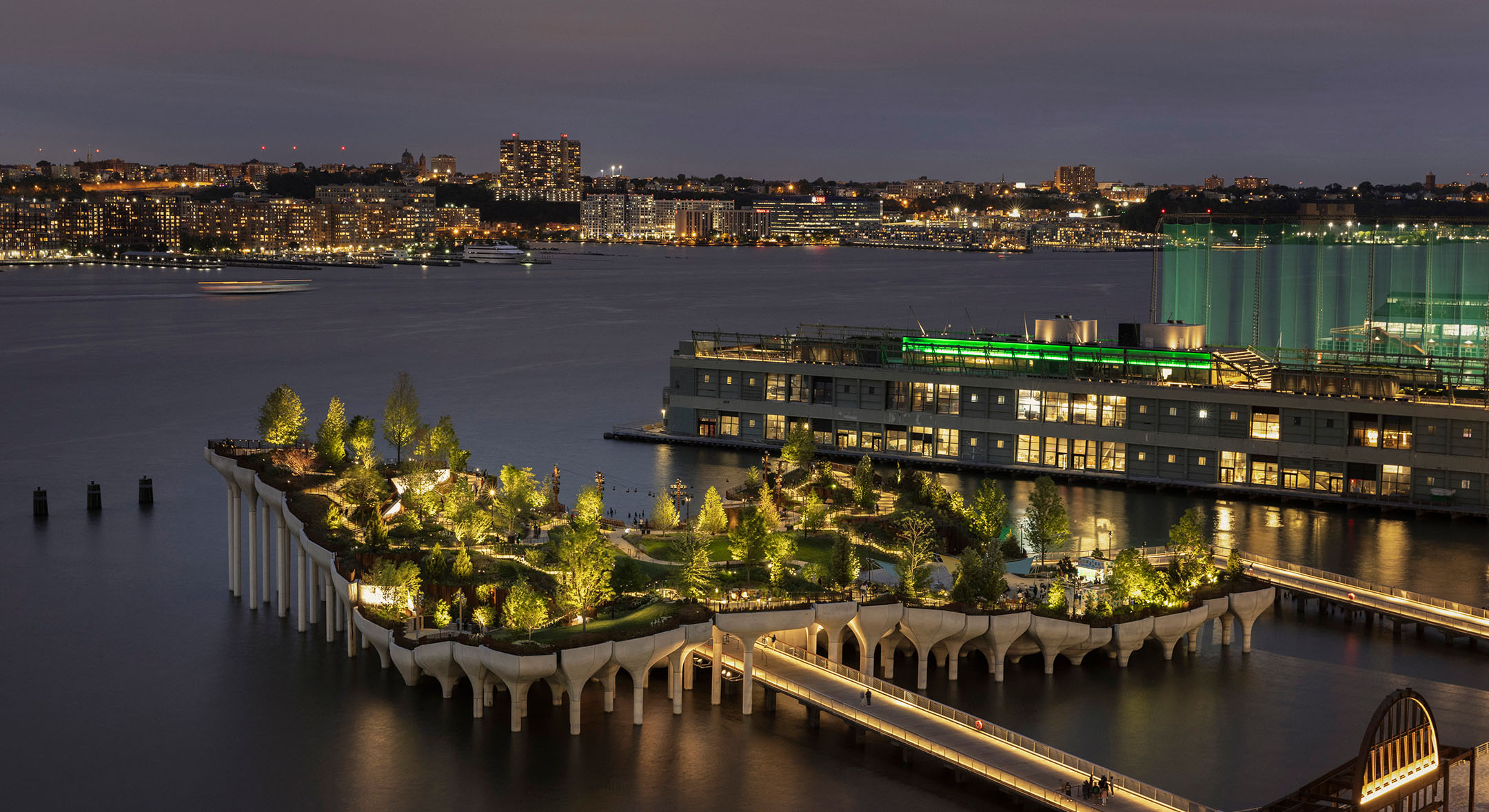
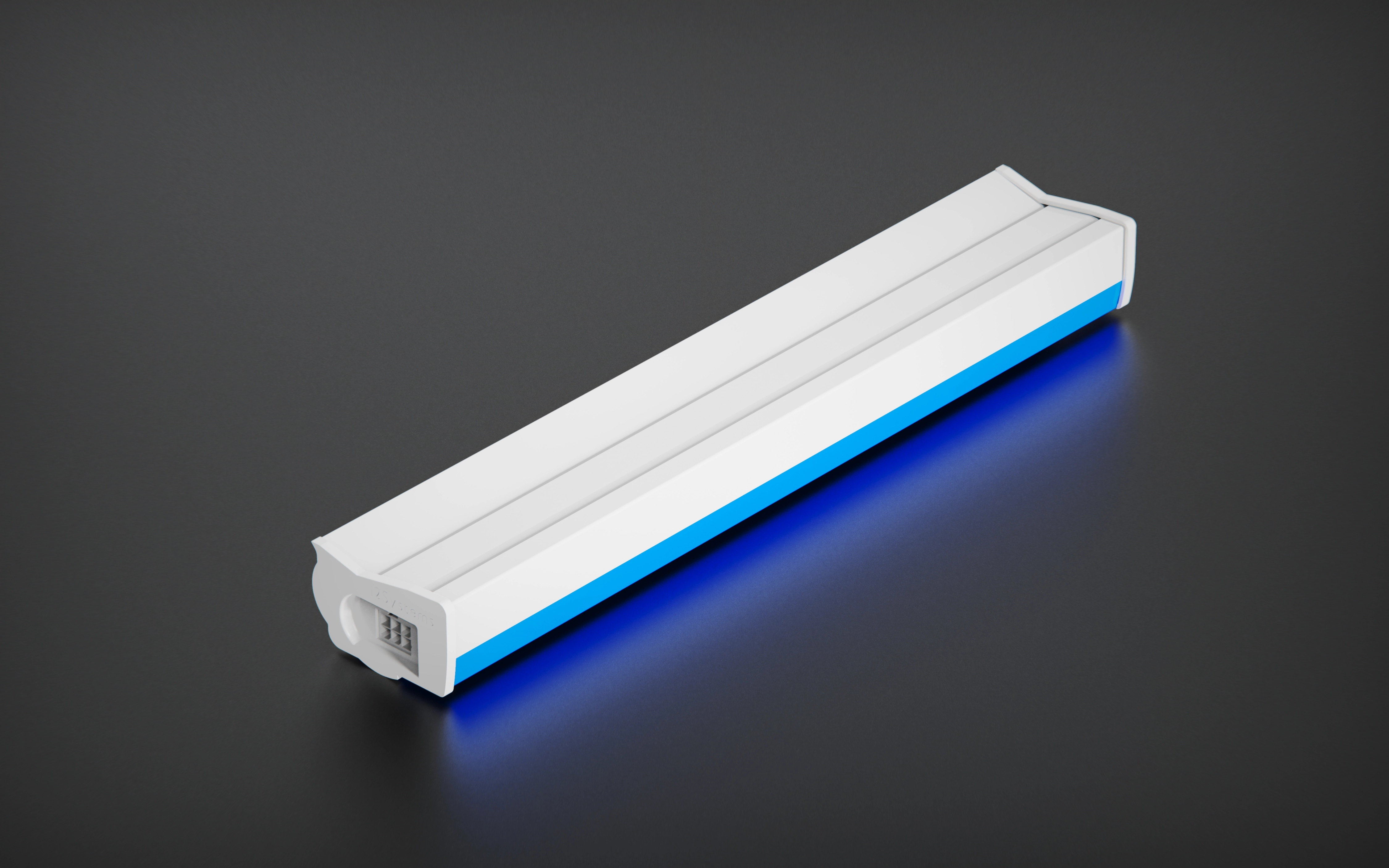
Gen3 and Gen4 are designed to meet the performance requirements of landscape architectural lighting. Their output control, durability, and adaptability support pedestrian-scale environments such as walkways, plazas, and transitional spaces.
These systems provide consistent illumination while maintaining visual comfort, making them appropriate for outdoor placemaking applications where lighting must support both function and atmosphere.
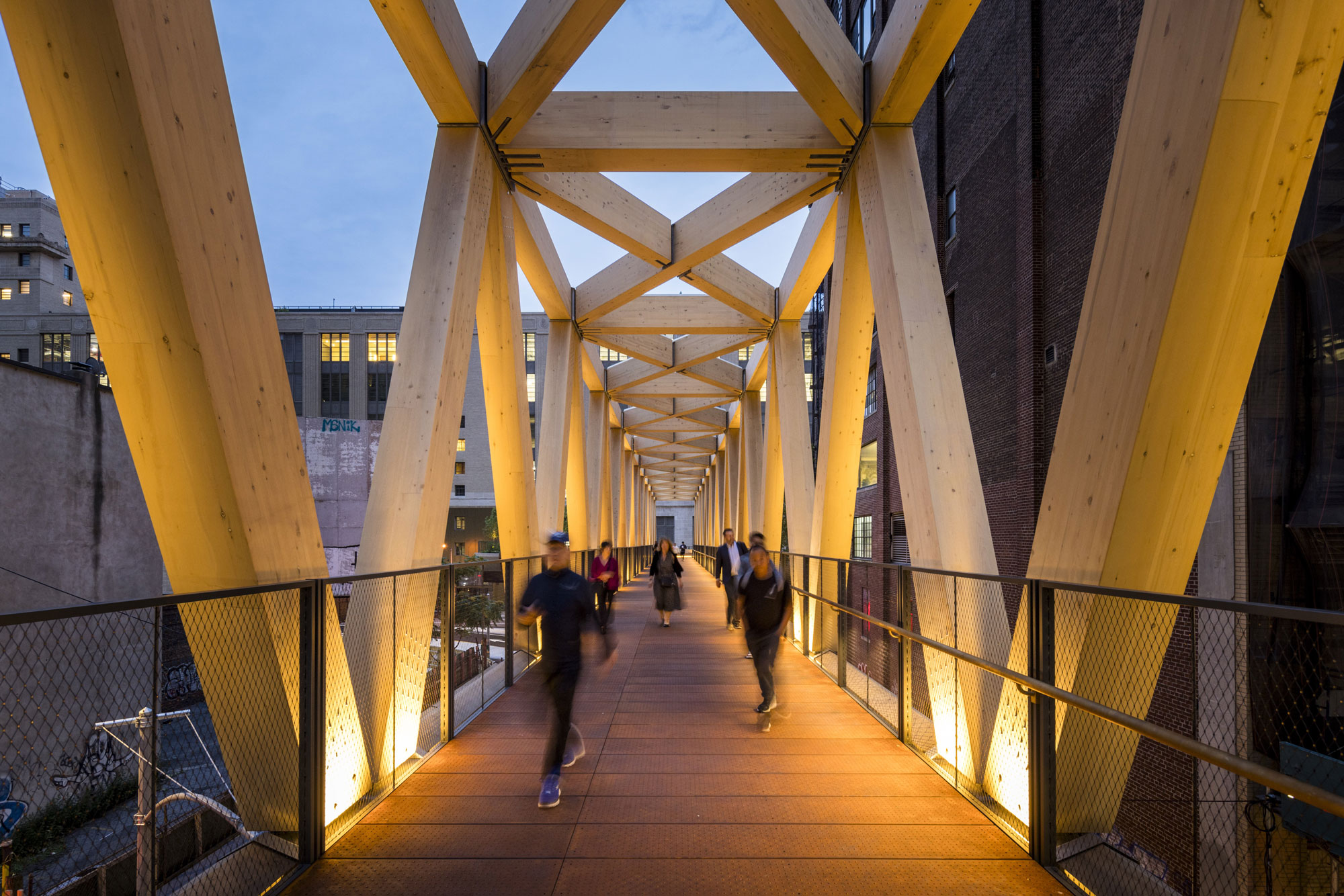
Effective placemaking depends on the coordination of lighting layers. Building lighting establishes architectural presence and identity, while landscape lighting supports movement and human experience at ground level.
Specifying Graphite for building and facade elements alongside Gen3 and Gen4 for landscape applications allows each system to operate within its intended role. This layered approach simplifies specification, improves performance, and ensures visual coherence across the site.
Dividing lighting into building and landscape categories provides a clear framework for architectural specification. It allows performance criteria to be aligned with application, reduces overlap between systems, and improves long-term maintainability.
By selecting lighting systems based on role rather than attempting to use a single solution for all conditions, placemaking projects achieve greater precision, efficiency, and architectural clarity.