insight
Clear Defaults

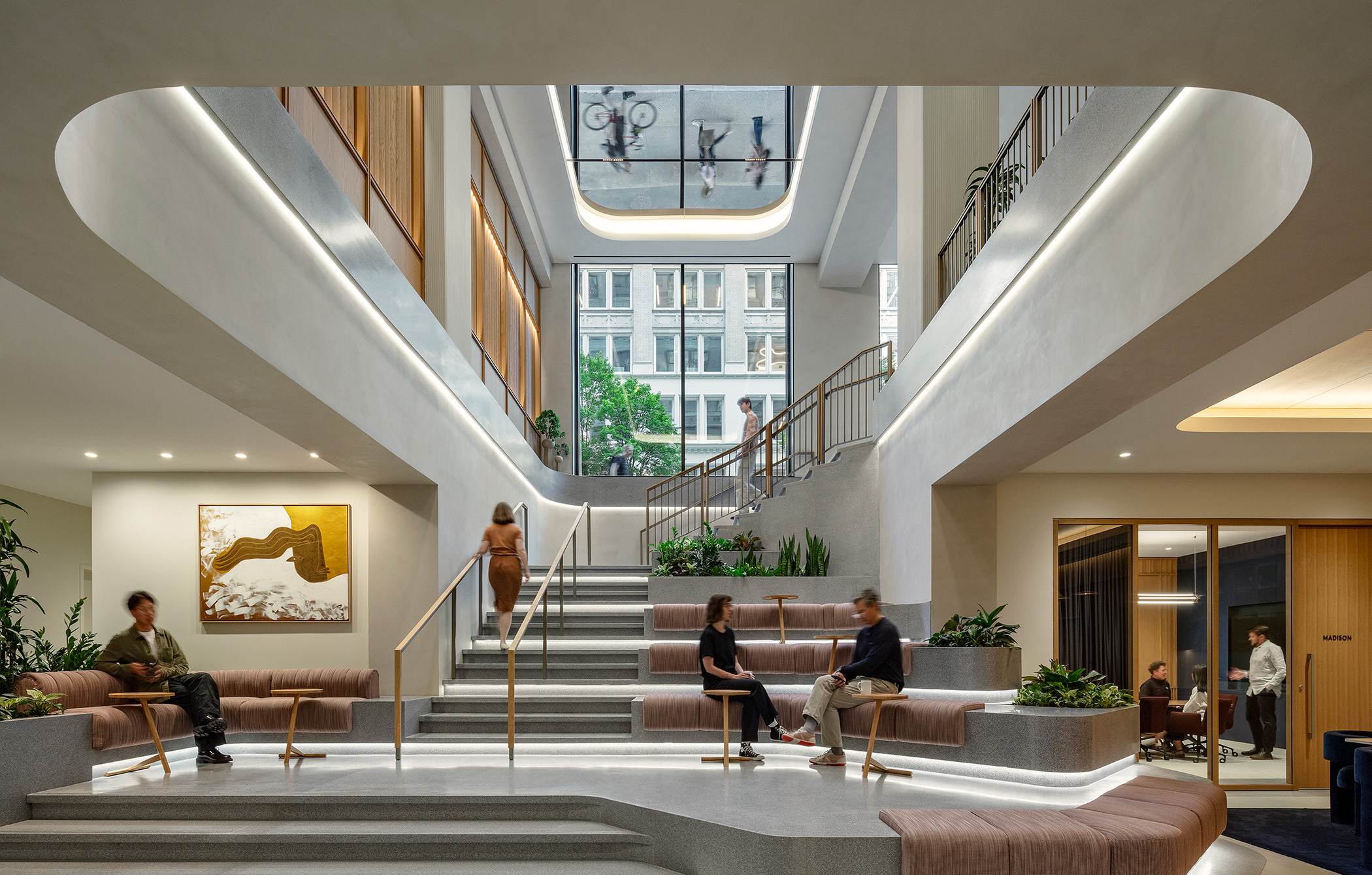
Circadian lighting in office spaces is designed to align artificial light with the body's natural rhythms. This approach enhances employee wellbeing and productivity by adjusting light intensity and color throughout the day. Understanding the science behind this lighting reveals its impact on mood, alertness, and overall health. Key benefits include improved sleep quality and reduced eye strain, making it essential for modern work environments.
The integration of circadian lighting into office spaces represents a pivotal shift in how lighting influences employee performance and health. Different aspects of this lighting approach reveal valuable insights into its impacts on workplace dynamics and employee satisfaction.
Circadian lighting refers to the strategic design of artificial lighting systems that align with the body's natural rhythms, primarily focusing on the circadian cycle. This lighting method aims to support physiological and psychological health within the office environment. By mimicking the natural changes in daylight throughout the day, circadian lighting enhances alertness and promotes overall wellbeing.
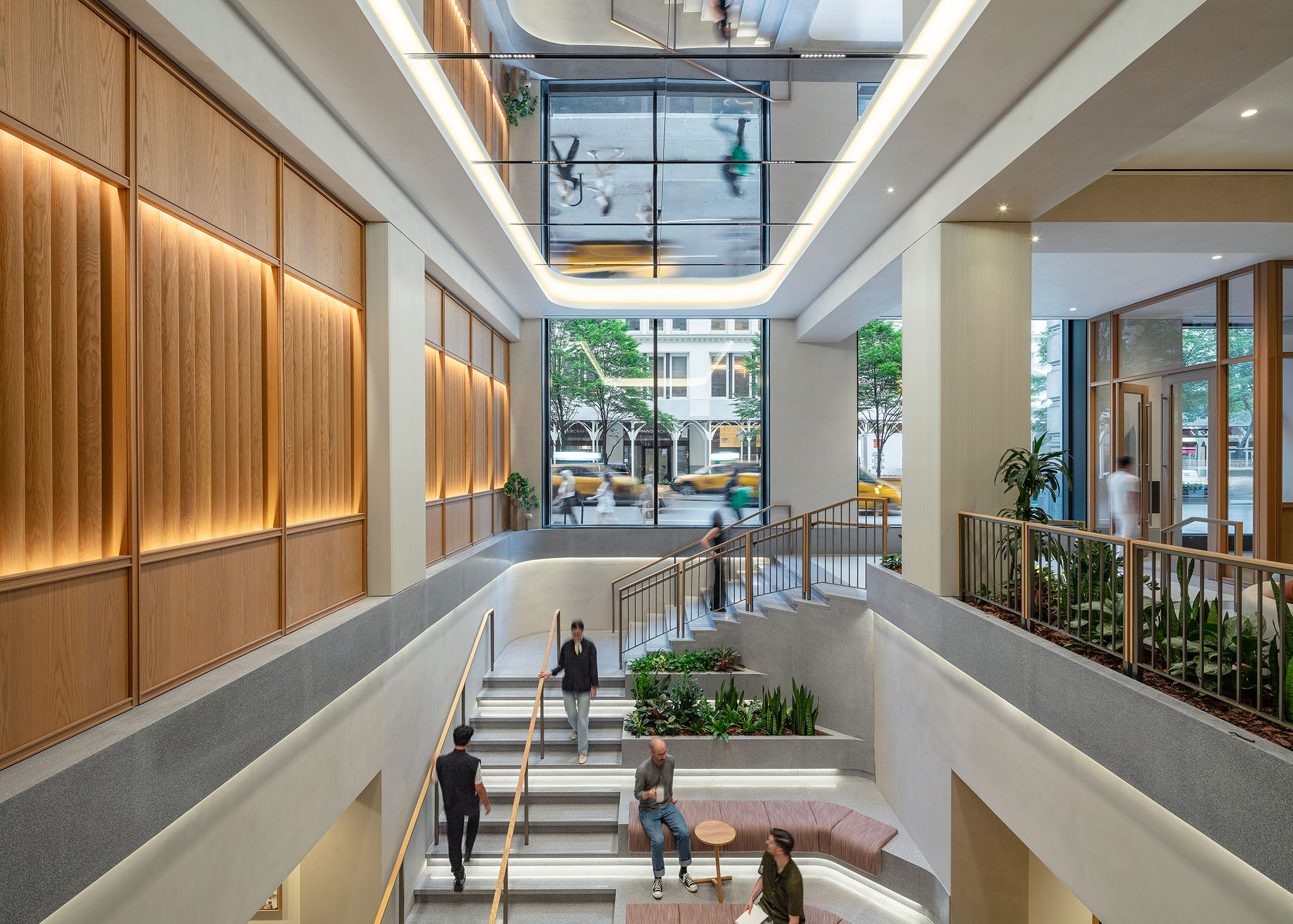
The human circadian rhythm is an intrinsic process that operates on a roughly 24-hour cycle, influencing various biological activities including sleep, hormone release, and metabolism. Research has demonstrated that maintaining a proper alignment of lighting with this cycle can substantially improve work performance. Key components of this relationship include:
Exposure to appropriate lighting conditions has far-reaching implications for employee wellbeing. Circadian lighting significantly affects both physical and mental health, shaping a conducive environment for workplace productivity. Noteworthy influences include:
In essence, the thoughtful incorporation of circadian lighting into office designs not only enhances efficiency but also fosters a healthier work atmosphere conducive to employee satisfaction and retention.
The intricate relationship between light and human biology forms the backbone of circadian lighting systems. Understanding this interplay can inform how lighting designs can enhance wellness and productivity in office environments.
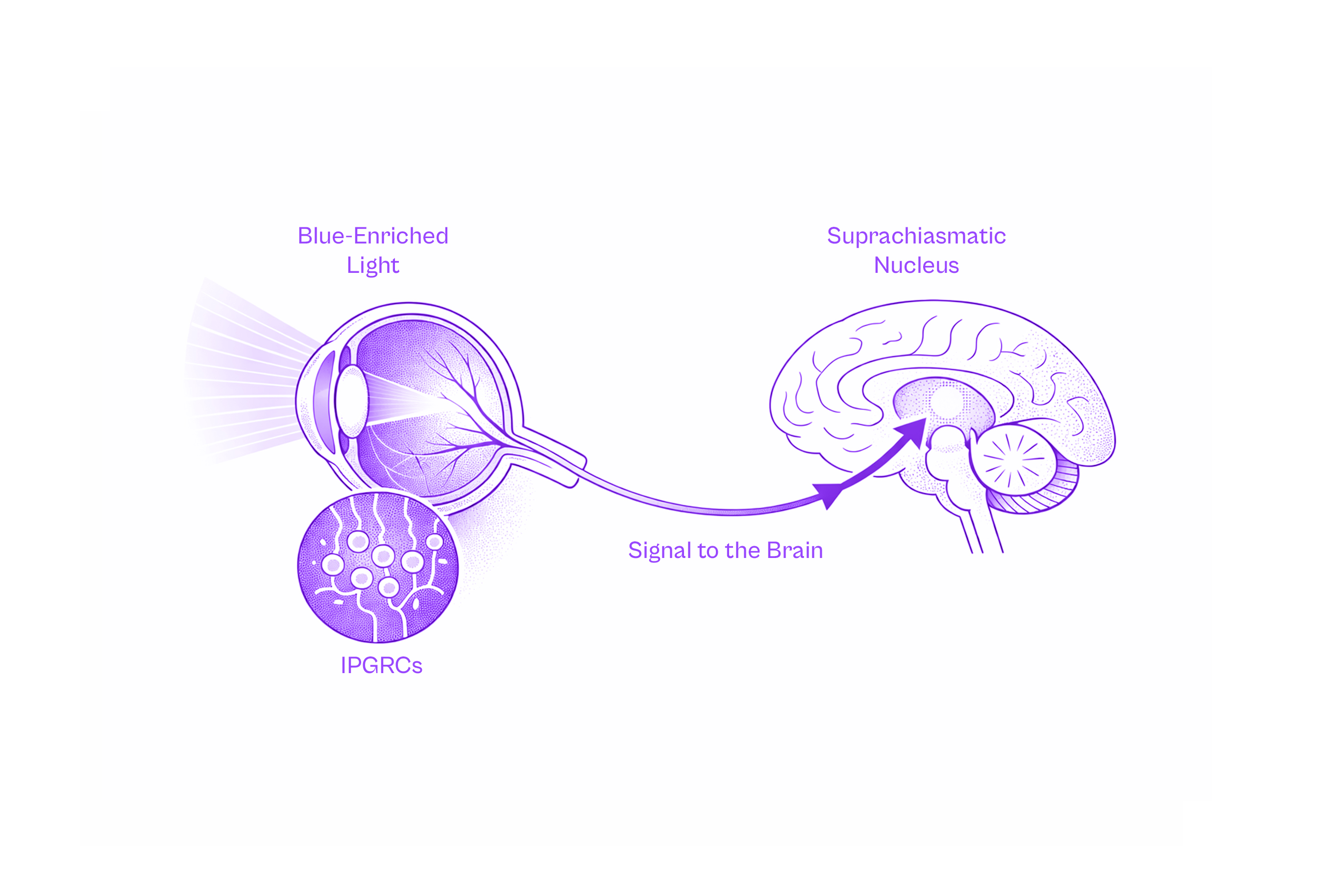
Light exposure is a critical factor in regulating the human circadian rhythm. Blue light, a spectrum of visible light, plays a significant role in this process. Special photoreceptors in the eye, known as intrinsically photosensitive retinal ganglion cells (ipRGCs), are particularly sensitive to blue light. These photoreceptors send signals directly to the brain’s suprachiasmatic nucleus, which is the primary regulator of circadian rhythms.
The presence of blue light in the morning is essential for promoting alertness and cognitive function, as it helps suppress melatonin production. This biological response aligns with the body's natural rhythms, facilitating a more alert and productive state during working hours.
The interaction between light and hormones significantly influences overall wellbeing. Exposure to bright light during the day triggers a series of hormonal changes. For instance, exposure to natural light increases cortisol levels, which are linked to wakefulness and energy. Conversely, as daylight diminishes, the absence of blue light triggers the release of melatonin, a hormone that promotes sleep.
Understanding these hormonal responses is essential for designing office lighting systems that complement natural light conditions. The aim is to create an environment where artificial lighting can effectively support the body's natural cycles, minimizing disruptions to hormonal balance.

A well-designed circadian lighting system seeks to replicate the natural progression of daylight. Throughout the day, light naturally changes in brightness and color temperature—from the cool, bright light of the morning to the warm tones of the evening. Aligning indoor lighting with this natural cycle helps to regulate the body’s internal clock effectively.
To achieve this, dynamic lighting setups can be employed that adjust automatically based on the time of day. This programming allows workplaces to simulate a natural lighting experience, fostering an environment conducive to productivity and well-being. As a result, the overall satisfaction and performance of employees can see marked improvements, illustrating the profound impact of well-considered lighting choices in office spaces.
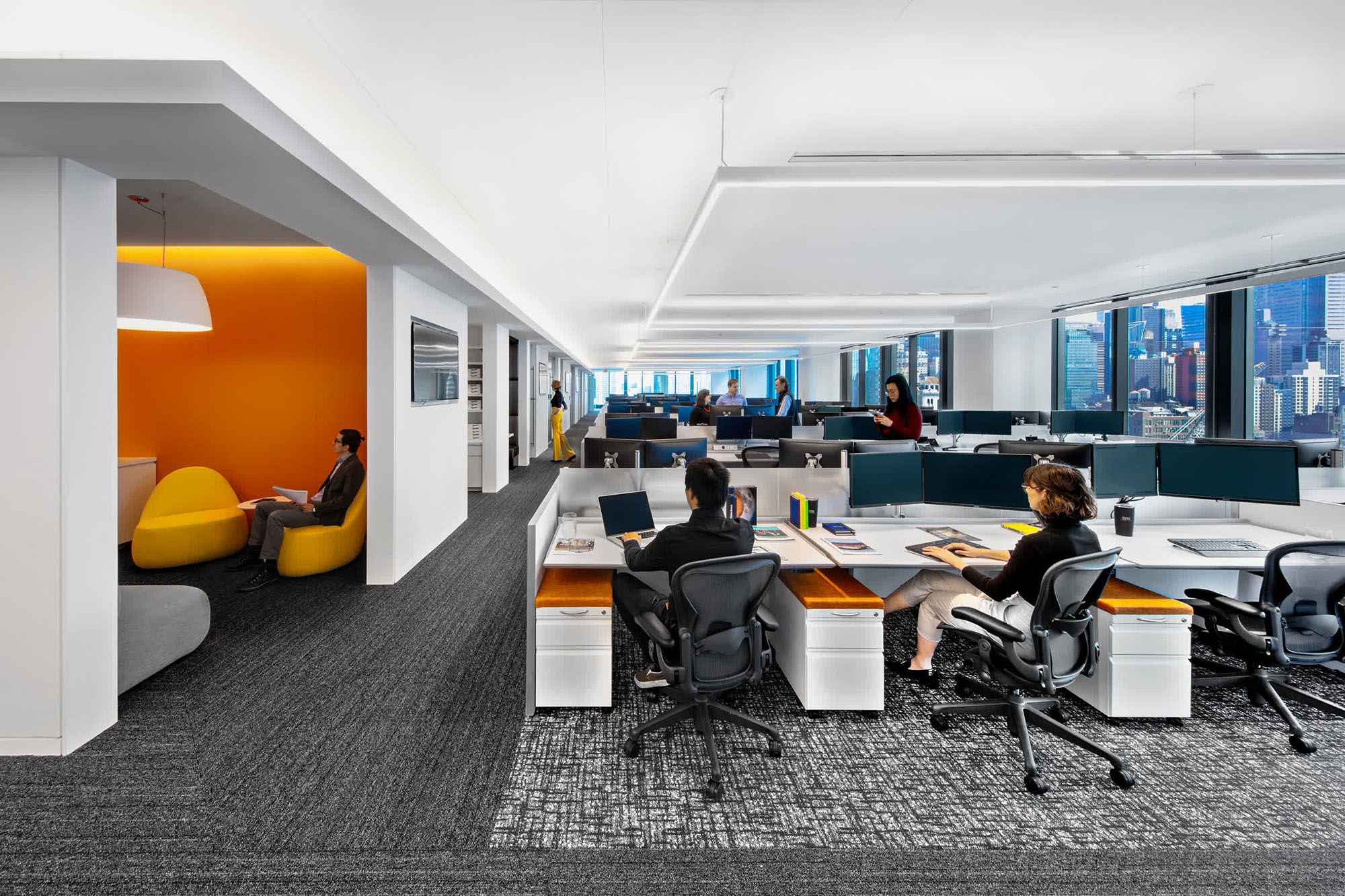
The positive impact of circadian lighting extends beyond aesthetics; it plays a crucial role in enhancing employee productivity and overall health. By aligning artificial lighting with natural biological processes, organizations can create a work environment that supports various facets of employee wellbeing.
The relationship between lighting and cognitive performance is well-documented. Circadian lighting can significantly enhance alertness levels, which is particularly beneficial in the morning when sharpness is required for complex tasks. Bright, cool lighting stimulates the production of alertness-promoting hormones, effectively contributing to sharper focus and effective decision-making throughout the day.
Lighting design plays a pivotal role in regulating sleep patterns. Circadian lighting systems mimic the natural progression of daylight, which aids in melatonin production as evening approaches. This balance helps employees achieve deeper, more restorative sleep, thereby improving their alertness and performance during working hours. A well-rested workforce is typically more engaged and productive.
Optimal lighting conditions have been shown to influence emotional wellbeing. Exposure to daylight-mimicking lighting can elevate serotonin production, which is a key neurotransmitter linked to mood regulation. Implementing circadian lighting results in lower stress levels among employees and fosters a positive work environment that encourages collaboration and creativity.
Prolonged exposure to static lighting can lead to eye strain and fatigue, especially in environments with high screen time. Circadian lighting systems that adjust throughout the day help alleviate these issues by offering dynamic light conditions. These adjustments reduce visual discomfort and improve visual ergonomics, leading to better overall employee satisfaction.
Disruption of circadian rhythms may have long-term health implications, including compromised immune function. By aligning lighting conditions with natural biological cycles, circadian lighting promotes healthier lifestyles among employees. Improved mood, better sleep, and reduced stress contribute to a more robust immune response, which ultimately leads to fewer sick days and a more stable workforce.

Effective circadian lighting design relies on several critical components that work together to create a dynamic atmosphere. These elements consider not only the quality of light but also how it interacts with human biology and workplace environments.
Tunable lighting systems enable adjustments in both color temperature and brightness throughout the day. This adaptability is essential for mimicking natural light patterns, which vary as the sun moves across the sky. During morning hours, cooler, brighter white light promotes alertness, while warmer tones later in the day signal the brain to wind down.
Smart controls revolutionize how lighting is managed in office spaces. These systems can automate light adjustments based on time of day or occupancy, often integrating with building management systems. This automation not only enhances comfort but also optimizes energy use by minimizing unnecessary lighting.
Incorporating distinct lighting zones within an office can vastly improve functionality and comfort. By tailoring light intensity and color for different areas, organizations can create environments that best suit various tasks. Meeting rooms may benefit from brighter, energizing light, while collaborative spaces require a softer, more inviting glow.
Integrating natural light into office design is paramount in enhancing the effectiveness of artificial systems. Properly placed windows and skylights not only improve aesthetics but also support circadian health by providing authentic daylight exposure. When combined with artificial light, natural sources can create a balanced lighting environment.

Assessing the effectiveness of lighting solutions in office environments is essential for ensuring they meet both productivity and health standards. Each aspect of lighting performance can significantly influence employee wellbeing and overall workspace efficiency.
A thorough evaluation of existing lighting setups is vital for understanding current deficiencies and opportunities for improvement. This assessment typically includes:
By performing this analysis, organizations can determine where adjustments are needed, enabling them to create a more conducive work environment through effective lighting strategies.
Multiple metrics can be employed to gauge the effectiveness of circadian lighting systems. Important parameters include:
Utilizing these metrics fosters a comprehensive understanding of lighting impact and helps in making informed decisions for future enhancements.

Visual comfort plays a pivotal role in maintaining a productive office atmosphere. Factors influencing visual effects include:
A workplace designed with attention to visual comfort tends to facilitate increased focus and lower levels of fatigue, directly benefiting employees’ overall performance.
When evaluating lighting performance, energy efficiency is a critical aspect that influences long-term cost savings. Key points to consider include:
Organizations that invest in efficient lighting solutions not only benefit financially but also contribute to environmental sustainability, enhancing their corporate responsibility profile.

Linear LED lighting offers numerous advantages to enhance office environments, playing a vital role in modern workplace design.
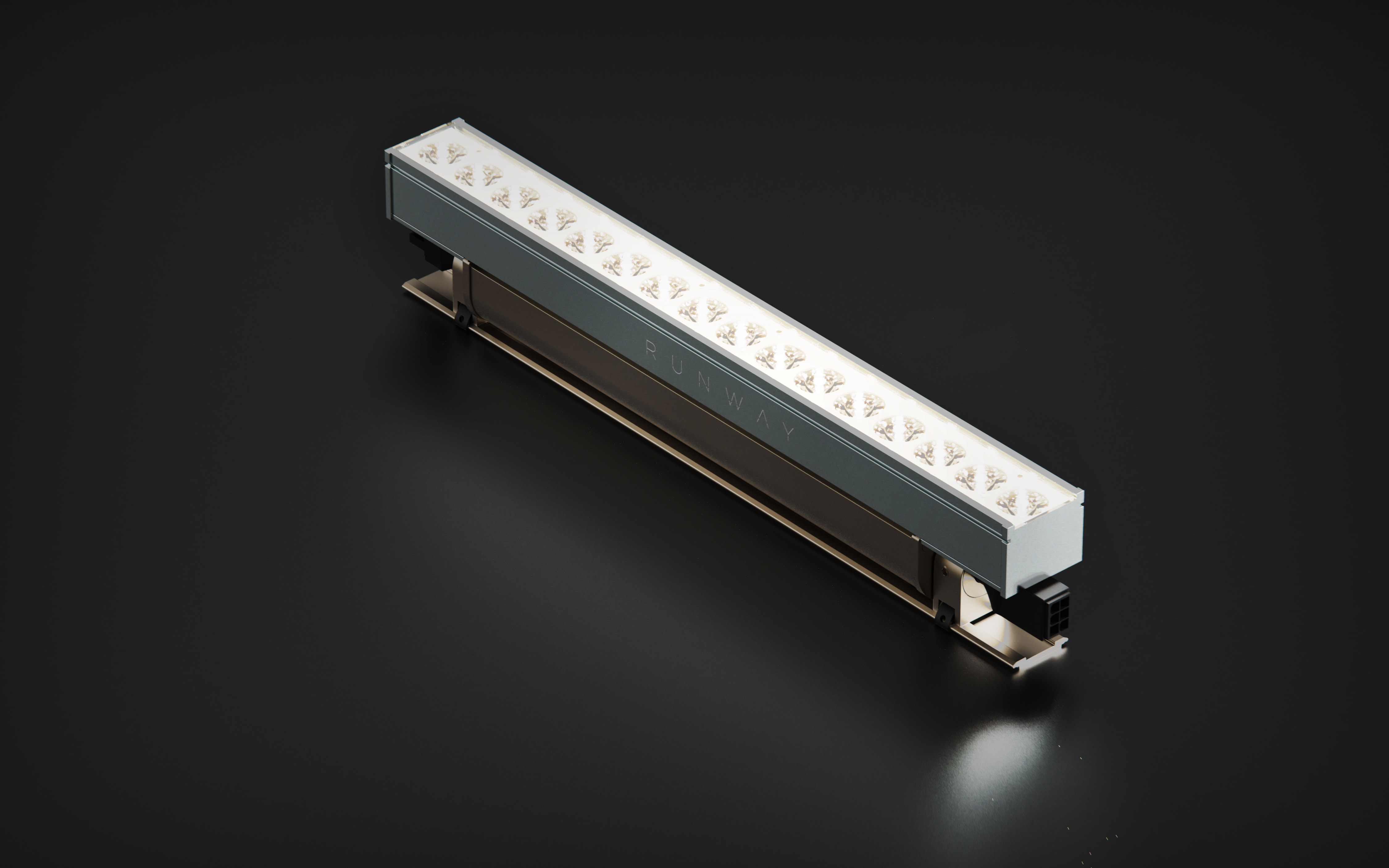
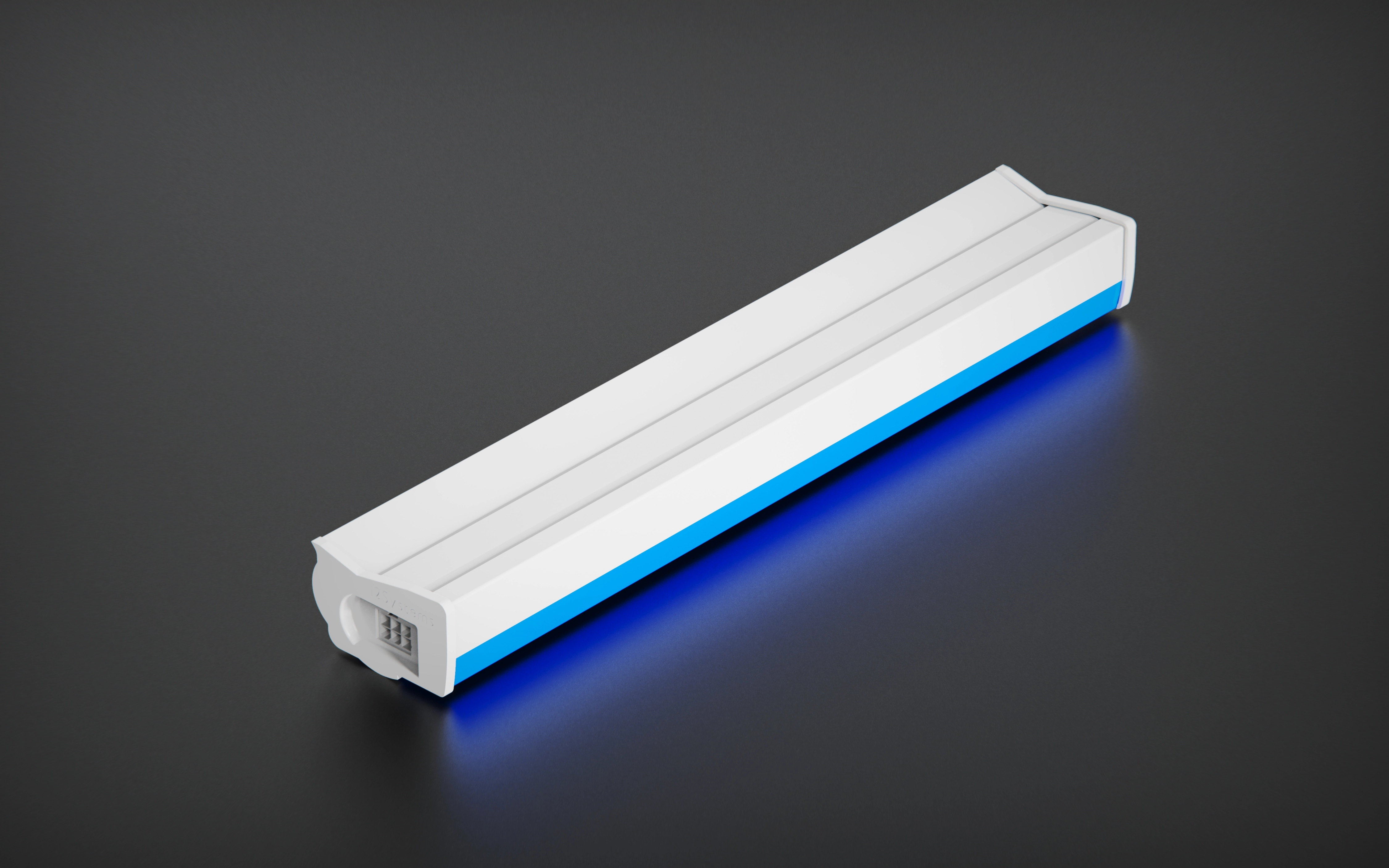
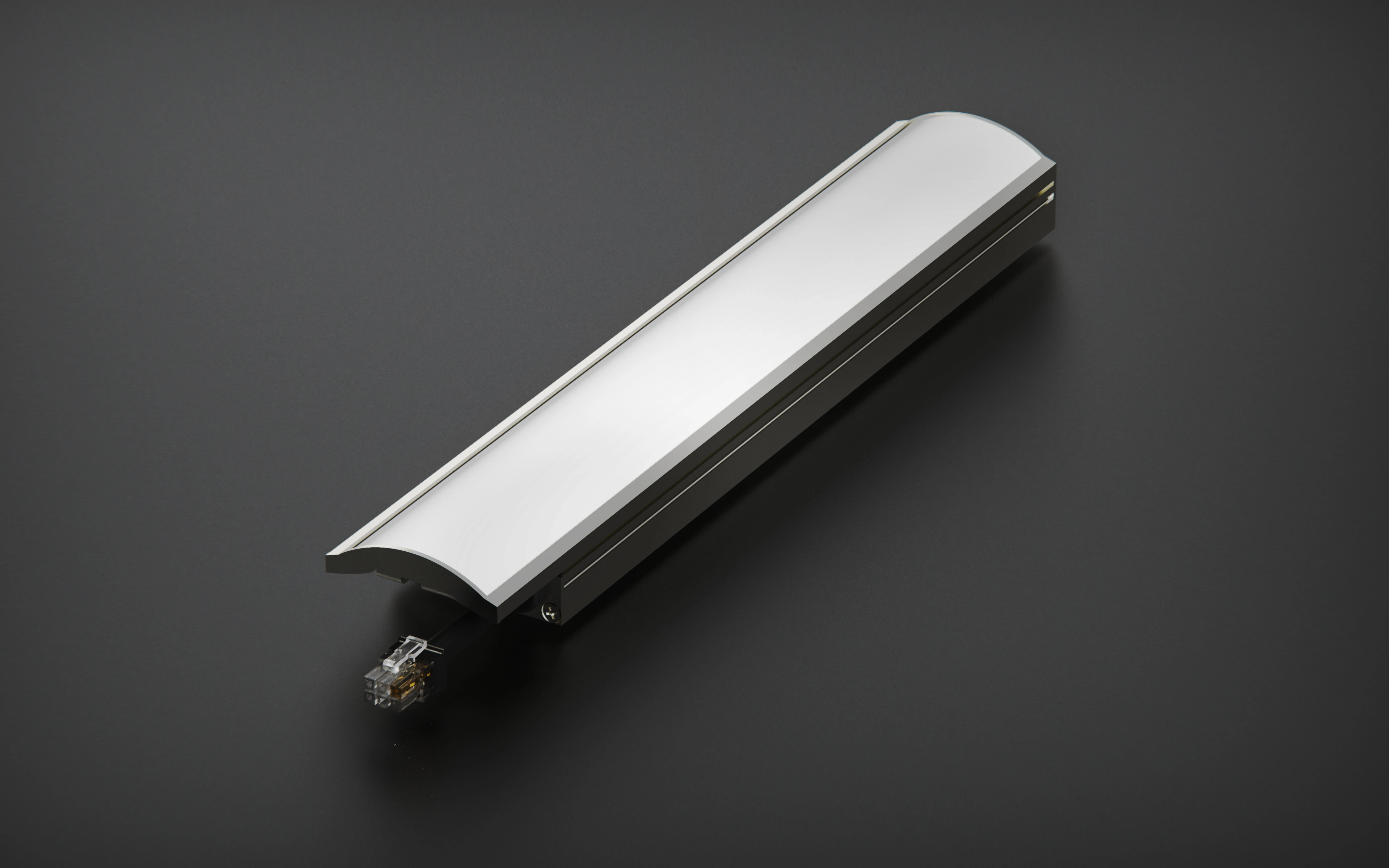
Linear LED lighting systems provide several distinct benefits compared to traditional lighting products, such as compact fluorescent lamps (CFLs) and incandescent bulbs. Some key advantages include:
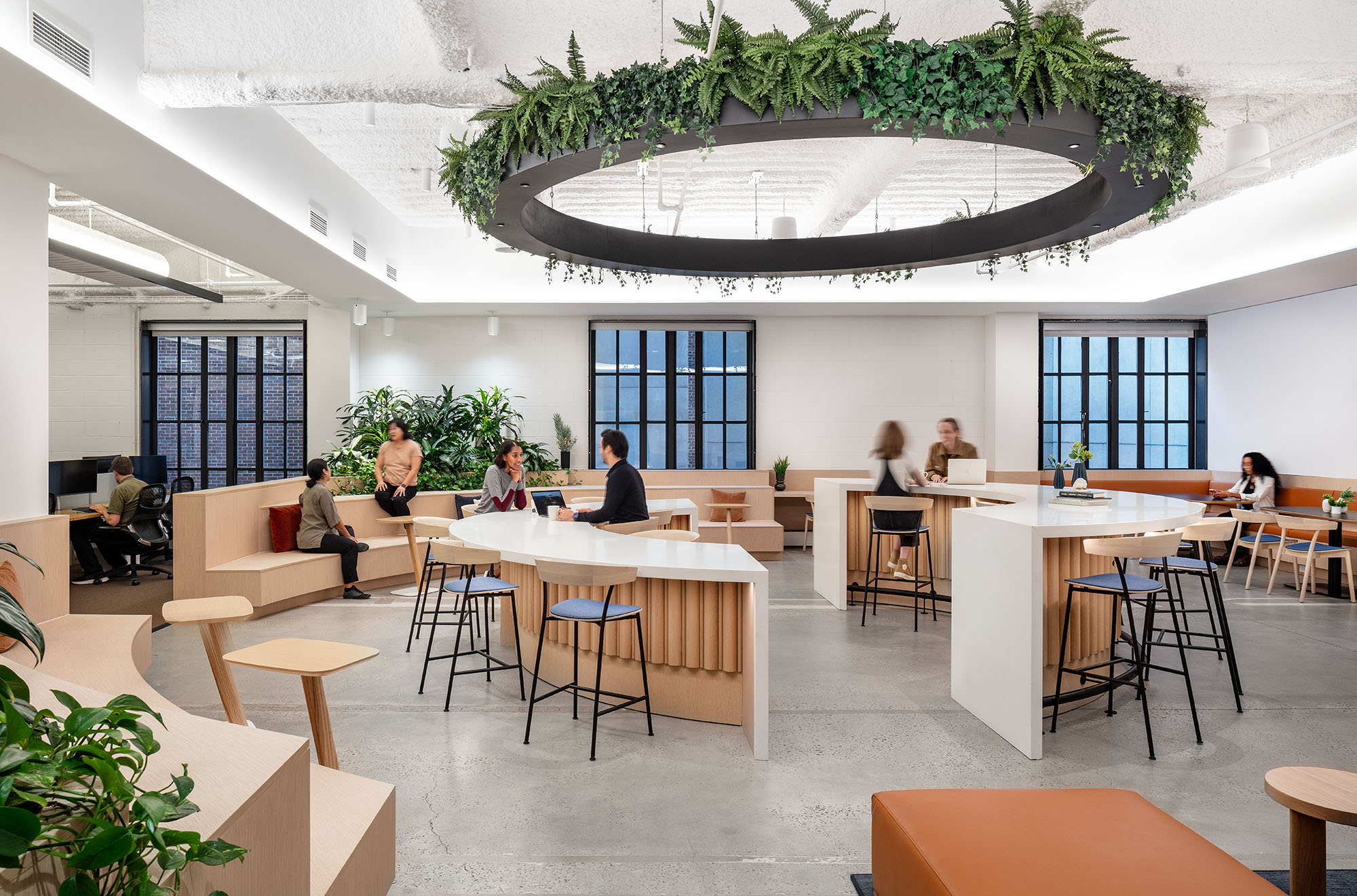
The integration of linear LED lighting has a profound impact on workplace aesthetics and employee experience. Their adaptability supports various design themes, from minimalist to contemporary. This lighting enhances visual appeal, creating a welcoming atmosphere that boosts morale and productivity.
In open spaces, the even distribution of light helps minimize shadows and glare, creating a comfortable work environment. The ability to customize brightness and color temperature throughout the day aligns with natural light cycles, positively influencing employee mood and focus.
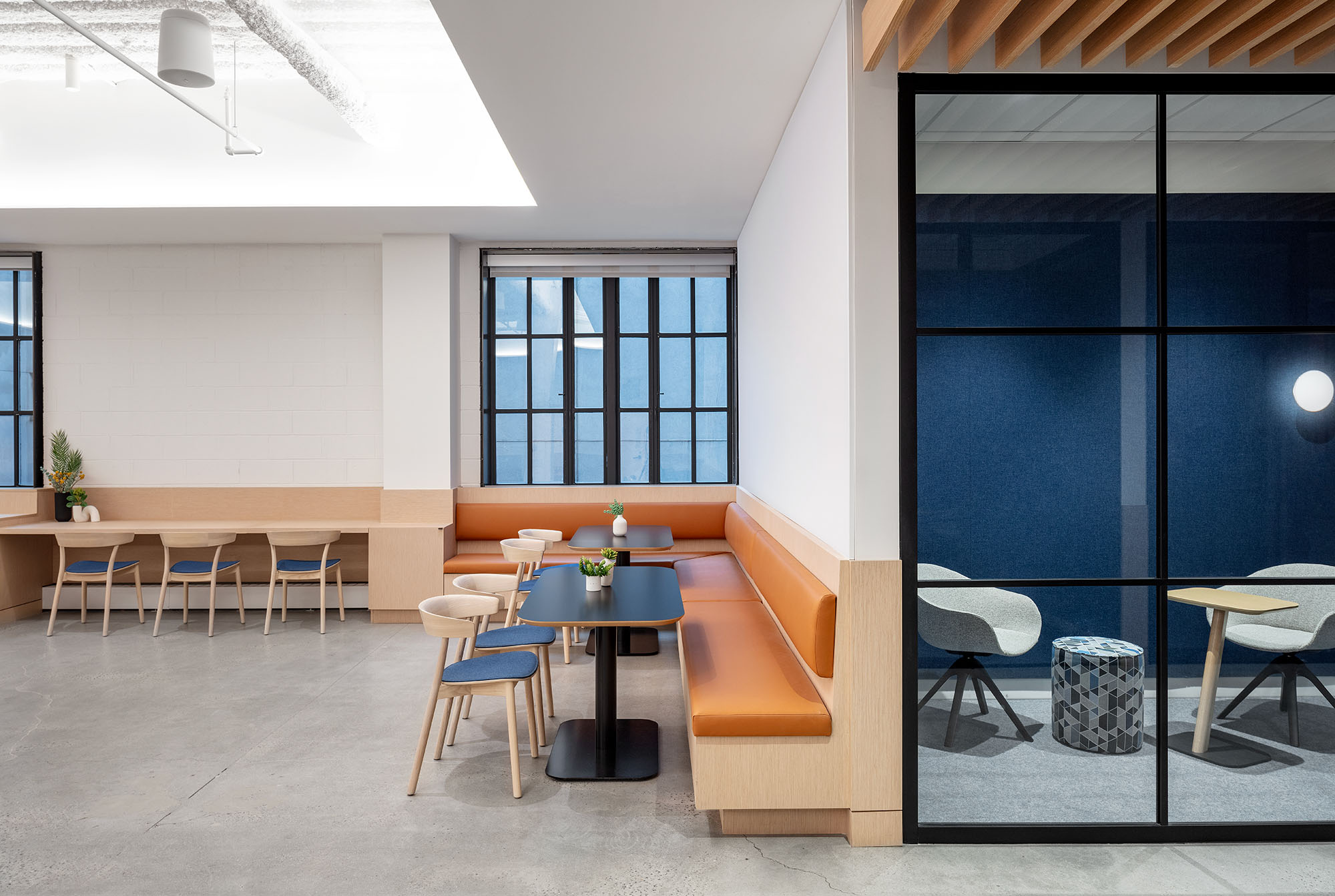
Through precise color temperature and intensity control, linear LED systems are effective in supporting circadian lighting goals. They can be programmed to adjust their output over the course of the day, simulating natural daylight. This adaptability aids in maintaining employee alertness during morning hours by providing cooler, bluer light. As daylight diminishes, warmer tones help signal the body to relax.
These capabilities underscore the role of linear LEDs in promoting health and wellbeing by aligning artificial lighting closer to natural circadian rhythms. This synchronization can significantly improve cognitive functions and emotional stability.