insight
Clear Defaults
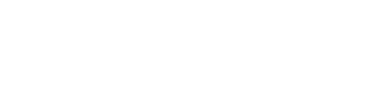
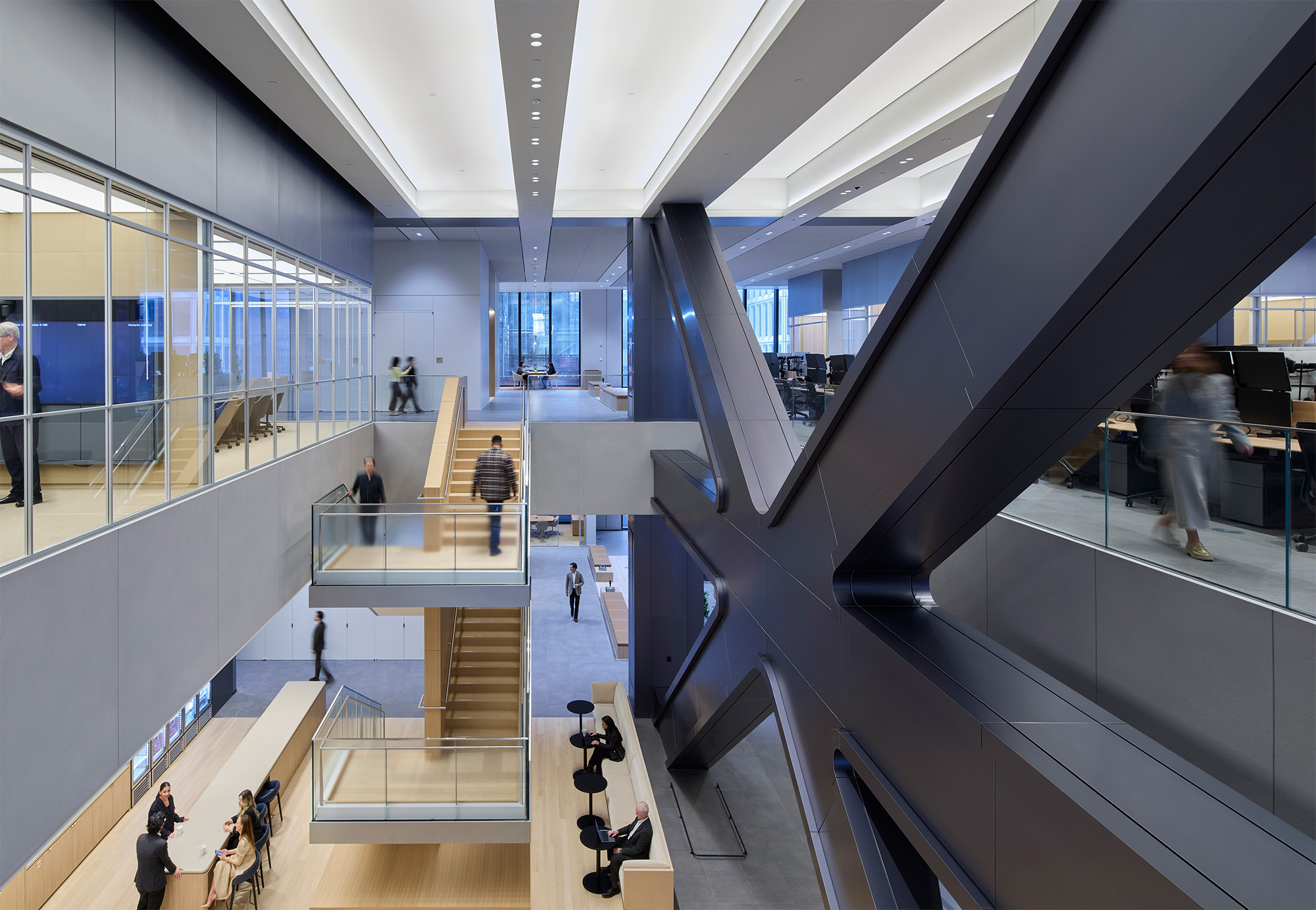
Lighting within the Fitwel v3 Workplace scorecard is evaluated as a measurable contributor to occupant health, visual comfort, safety, and environmental responsibility. Unlike aesthetic-driven lighting guidance, Fitwel establishes performance thresholds that must be documented through simulation outputs, photometric reports, control specifications, and fixture performance data.
For lighting designers, façade engineers, and workplace architects, compliance requires coordination between daylight modeling, electric lighting design, exterior photometrics, and control strategy. This guide explains both what Fitwel Workplace is and how its lighting strategies function within the certification framework.
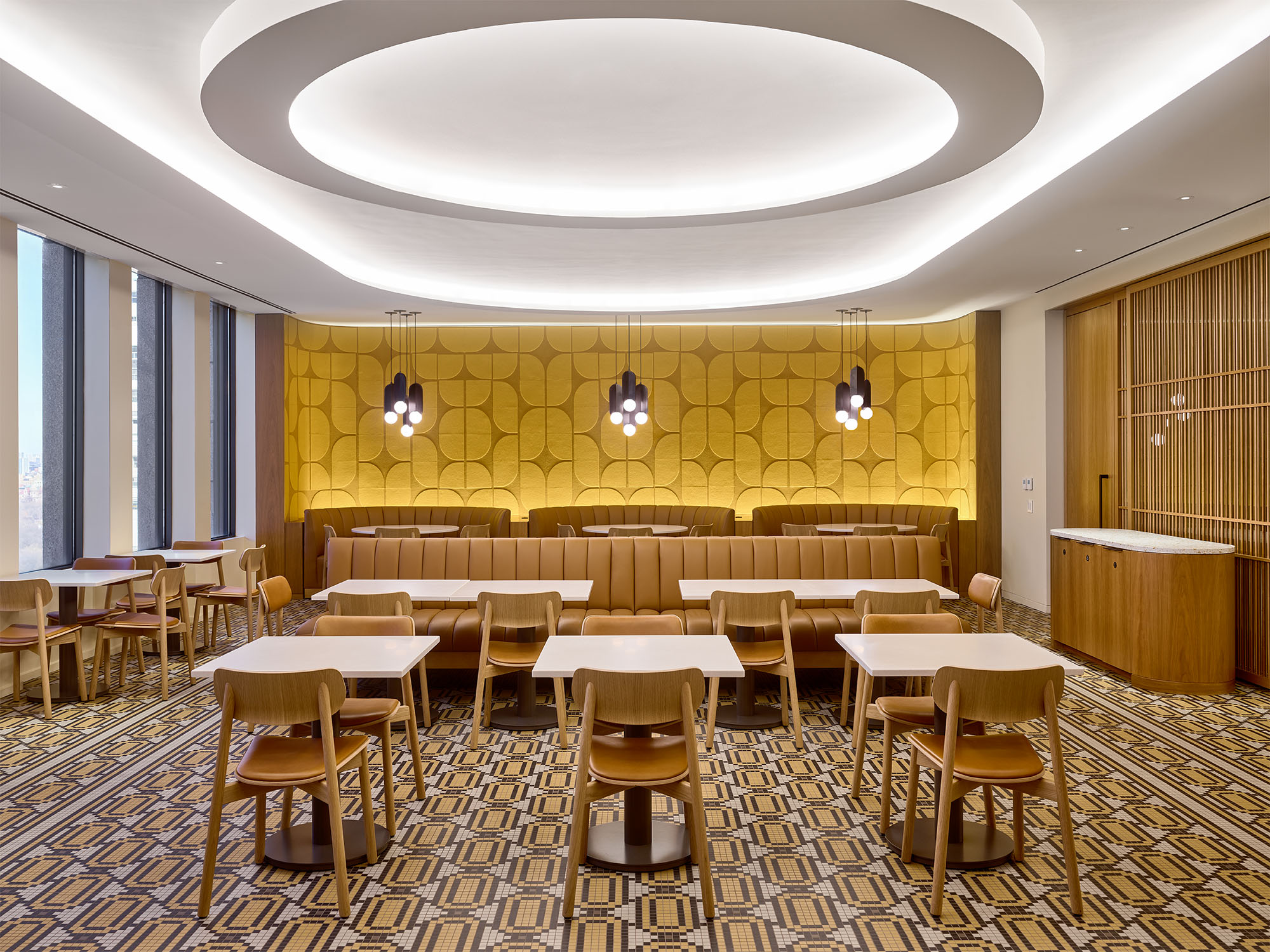
Fitwel is a third-party healthy building certification system administered by the Center for Active Design (CfAD). The Workplace scorecard applies to office buildings and commercial interiors, including single-tenant, multi-tenant, and tenant fit-out projects.
Fitwel v3 Workplace is structured around evidence-based strategies that support measurable health outcomes across several impact categories, including:
Unlike systems that impose prerequisites, Fitwel Workplace operates on a cumulative point-based model. Projects implement strategies and earn points based on documented compliance. Total points determine certification level (1–3 Stars).
Lighting strategies sit primarily within the “Support High Quality Environment” and “Create Resilience” impact categories. They are not aesthetic credits; they are performance-based strategies tied to documented health rationales.
Fitwel Workplace can be applied to:
For lighting designers, this means compliance pathways may differ slightly depending on whether the project controls façade design (base building) or interior fit-out only.
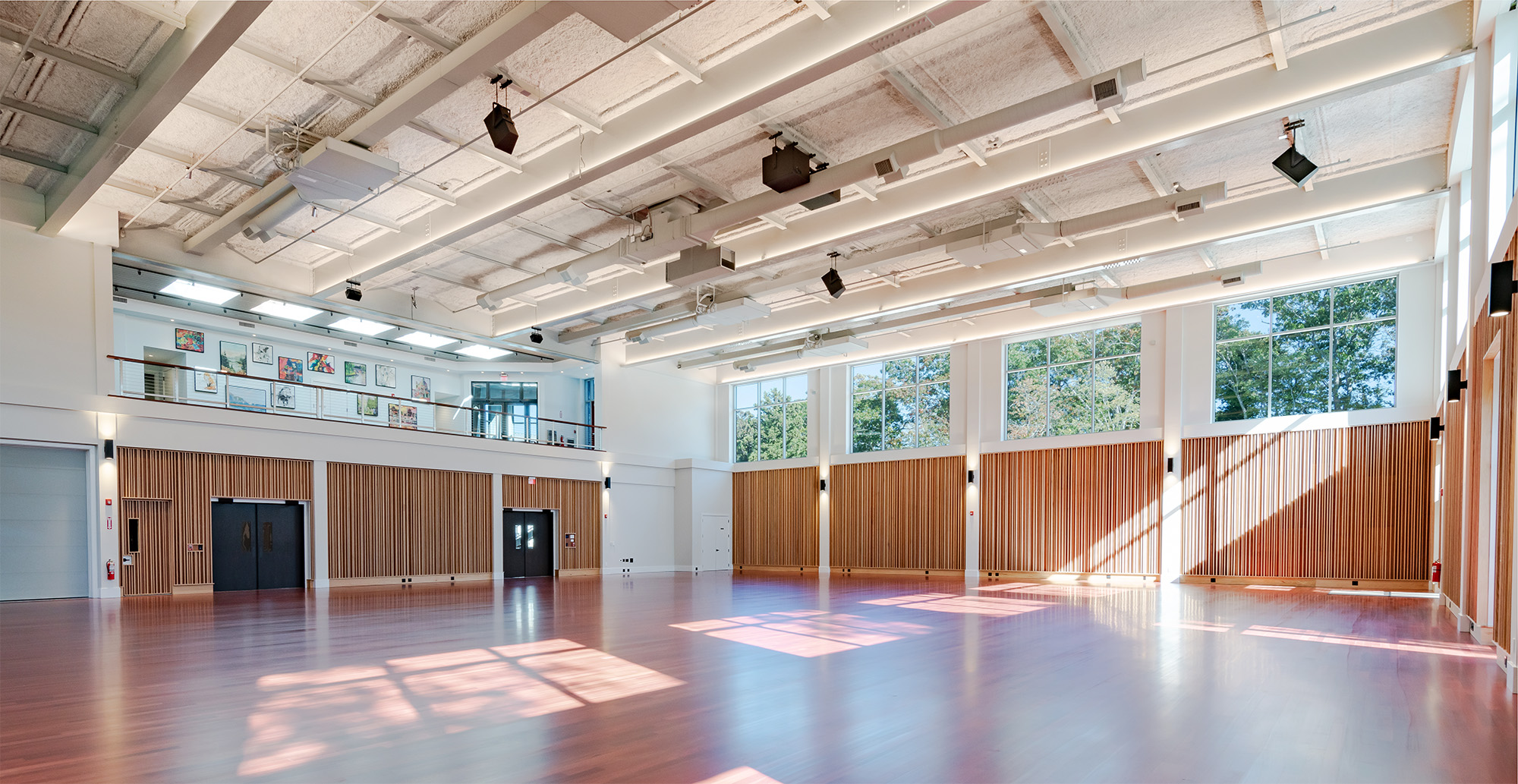
Fitwel evaluates daylight access in regularly occupied spaces through prescriptive façade metrics and performance-based simulation pathways. The intent is to ensure that daylight is functionally available across the floor plate rather than limited to perimeter adjacency.
Projects may comply by meeting the following glazing thresholds:
These thresholds influence glazing specification, solar heat gain tradeoffs, façade articulation, and shading design. Achieving ≥40% VLT often requires careful balancing of daylight performance and thermal efficiency.
Alternatively, projects may demonstrate compliance through annual climate-based daylight simulation:
This requires simulation showing that at least 60% of regularly occupied space receives 300 lux from daylight for 50% of annual occupied hours.
From a lighting design standpoint, this affects:
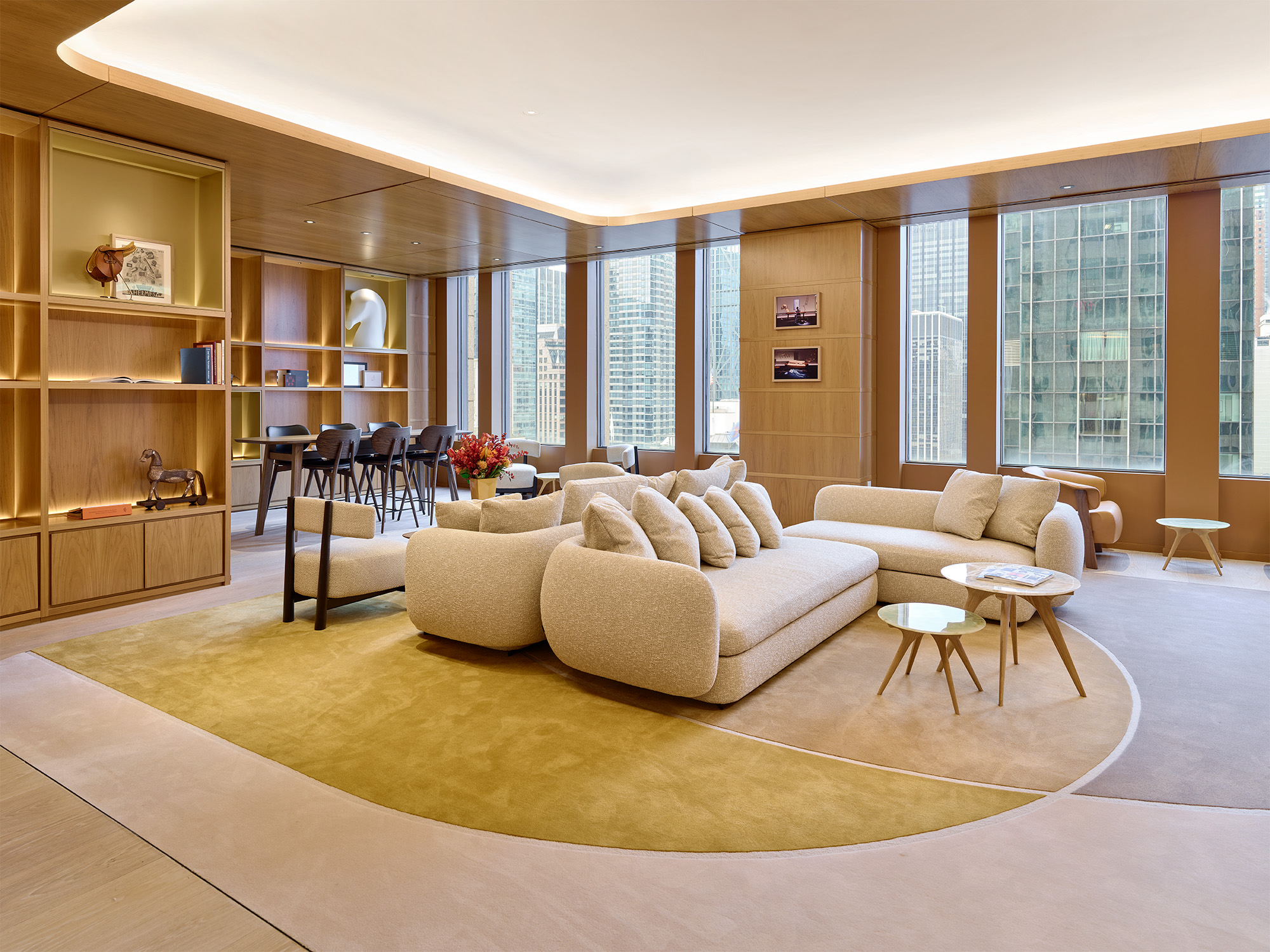
Fitwel’s “Optimal Lighting Environment” strategy addresses visual comfort, neurological stressors, and user adaptability. It does not prescribe fixed lux levels; instead, it evaluates glare, flicker, and fixture controllability.
This requirement typically necessitates distributed digital control systems and zoning capable of localized adjustment. Compliance is calculated by fixture count.
Projects must demonstrate glare reduction through one of the following pathways:
UGR ≤ 19 aligns with international office lighting standards (e.g., EN 12464-1). Achieving this requires careful luminaire selection, optic design review, and workstation alignment.
Fitwel requires lighting systems to meet one of the following flicker control standards:
Driver selection must therefore include documented flicker performance data. Low-frequency modulation or high percent flicker may disqualify products.

Fitwel Workplace requires distributed exterior lighting coverage to support occupant safety and visibility across all site access routes.
Lighting must be provided along:
Additionally:
Full cutoff optics and compliant BUG ratings are typically required to meet shielding criteria.
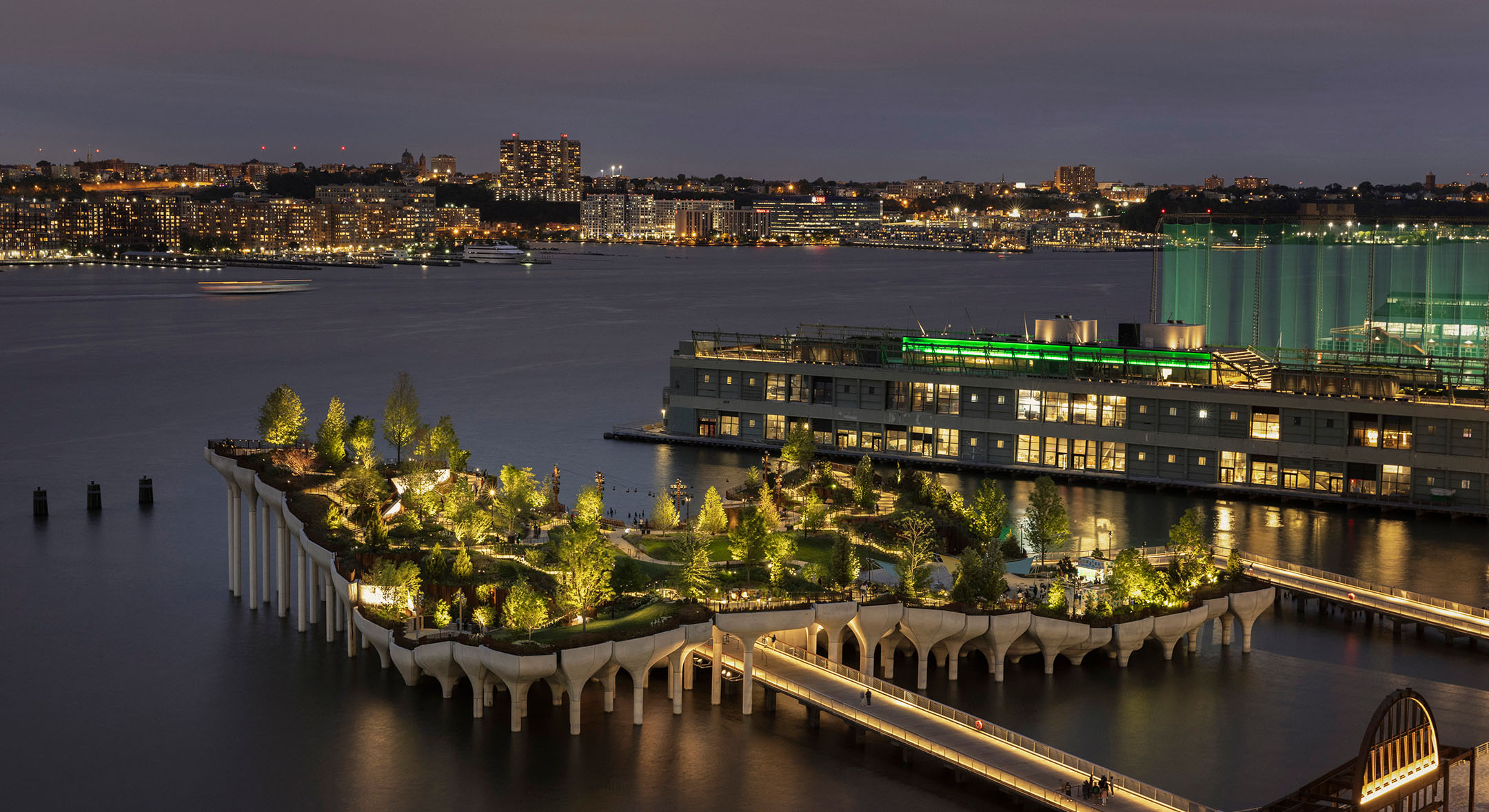
Fitwel extends exterior lighting evaluation to environmental responsibility and community impact. Projects must implement at least two mitigation measures.
This strategy requires coordination between base building and tenant lighting standards.
Strategic Implications for Lighting Designers
Fitwel Workplace does not impose lighting prerequisites. Instead, lighting strategies contribute points toward overall certification. Because façade design, daylight simulation, electric lighting optics, and control architecture are interdependent, early integration during schematic design is critical. For workplace projects pursuing certification, lighting performance is not decorative, it is measurable, documentable, and tied directly to health impact rationale.
Sources
Fitwel. Workspaces – Daylighting Access. Fitwel Help Center (Workplace v3 Strategy Requirements).
https://helpcenter.fitwel.org/hc/en-us/articles/12913002551956-07-Workspaces-Daylighting-Access
Fitwel. Indoor Environment – Optimal Lighting Environment. Fitwel Help Center (Workplace v3 Strategy Requirements).
https://helpcenter.fitwel.org/hc/en-us/articles/13570613999380-06-Indoor-Environment-Optimal-Lighting
Fitwel. Outdoor Space – Outdoor Lighting. Fitwel Help Center (Workplace v3 Strategy Requirements).
https://helpcenter.fitwel.org/hc/en-us/articles/39166025240084-03-Outdoor-Space-Outdoor-Lighting
Fitwel. Outdoor Space – Light Pollution Mitigation. Fitwel Help Center (Workplace v3 Strategy Requirements).
https://helpcenter.fitwel.org/hc/en-us/articles/12894055121940-03-Outdoor-Space-Light-Pollution-Mitigation
Fitwel. Strategy Requirements – Workplace. Fitwel Help Center.
https://helpcenter.fitwel.org/hc/en-us/sections/12672153233428-Strategy-Requirements-Workplace
Institute of Electrical and Electronics Engineers (IEEE). IEEE Std 1789-2015: Recommended Practices for Modulating Current in High-Brightness LEDs for Mitigating Health Risks to Viewers.
https://standards.ieee.org/standard/1789-2015.html
California Energy Commission. Title 24, Joint Appendix JA-10: Test Method for Evaluating Flicker of Lighting Systems.
https://www.energy.ca.gov/programs-and-topics/programs/building-energy-efficiency-standards/2019-building-energy
Illuminating Engineering Society (IES) & International Dark-Sky Association (IDA). Model Lighting Ordinance (MLO).
https://www.ies.org/standards/model-lighting-ordinance/