insight
Clear Defaults

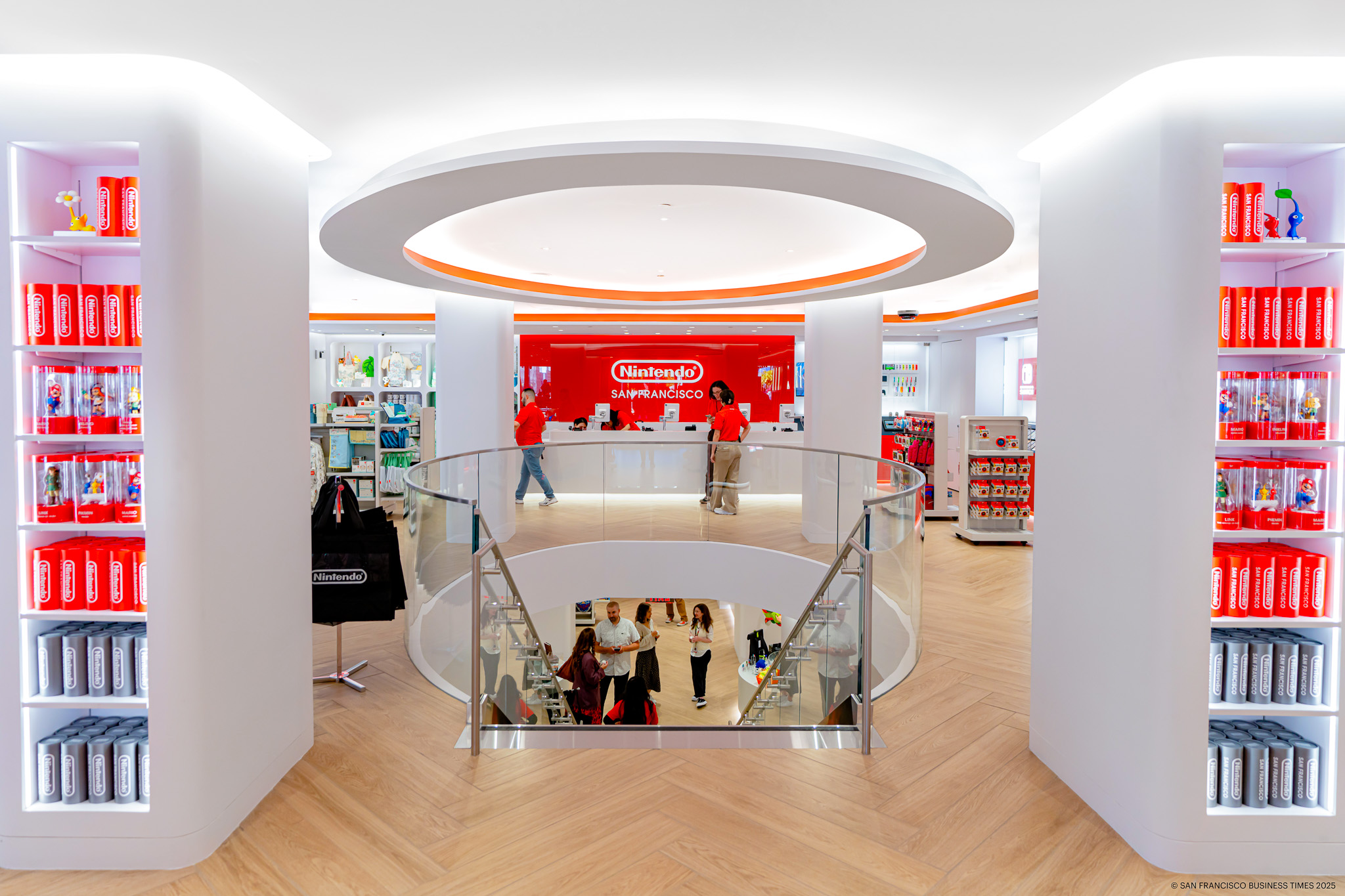
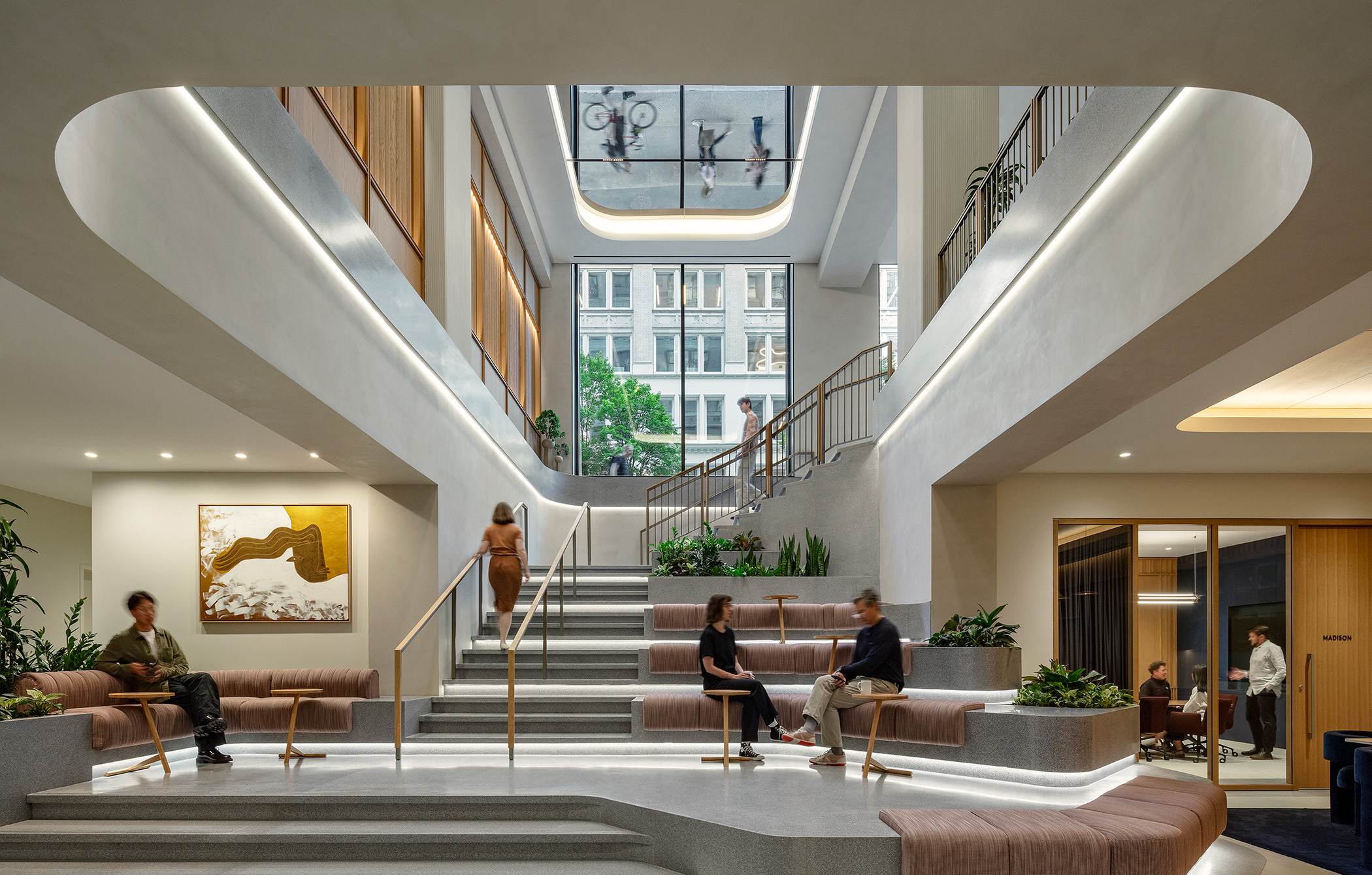
Cove lighting is often treated as a purely aesthetic feature, but when specified correctly, it plays a critical role in visual comfort, spatial perception, and architectural clarity. Poorly designed cove lighting can introduce glare, uneven illumination, and maintenance challenges, while well-designed systems deliver consistent, indirect light that enhances both form and function.
The following five strategies address the most important technical considerations when designing and specifying cove lighting for architectural applications.
One of the most common mistakes in cove lighting is overspecifying output to compensate for poor optical control. Cove applications rely on indirect illumination, which means beam distribution and cutoff are more important than lumen package alone.
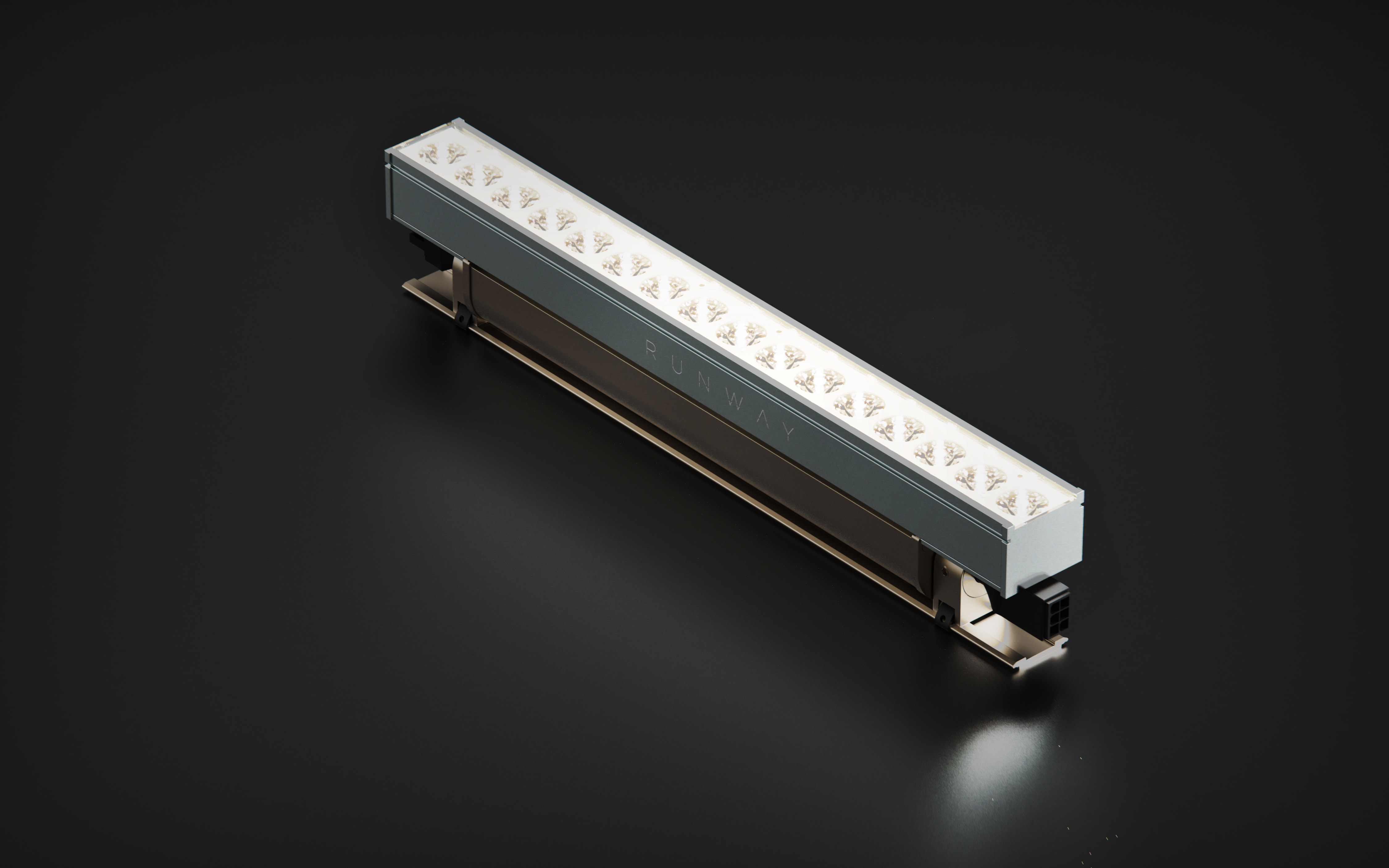
Fixtures should deliver light precisely toward the reflective surface without excessive spill into the occupied space. Poor optical control often results in visible hotspots, scalloping, or glare at the cove edge. A controlled distribution ensures uniform brightness along the ceiling plane and reduces the need for higher output levels, improving both visual comfort and efficiency.
Pro Tip: When evaluating surface reflectance for lighting distribution, use the Light Reflectance Value (LRV) of paints as a reliable baseline—but remember that it represents visible light reflectance under standard test conditions, not the total spectral reflectance your luminaires may interact with.
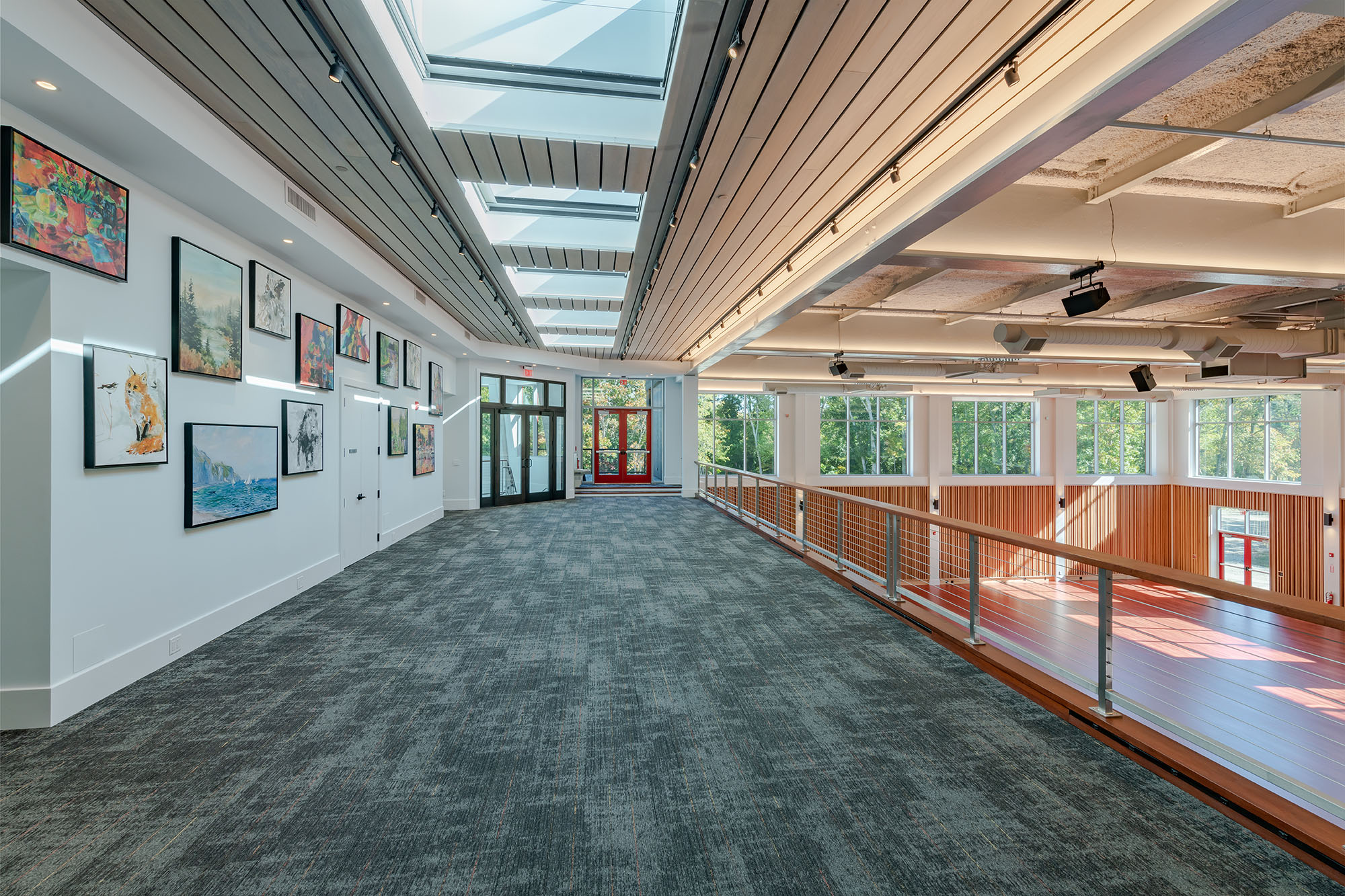
Cove lighting performance is directly tied to architectural geometry. Depth, setback, and surface reflectance all influence how light is distributed and perceived.
Shallow coves may require tighter beam control to avoid visible sources, while deeper coves allow for broader distributions but demand careful spacing to maintain uniformity. Reflective surfaces should be selected intentionally, as darker finishes will absorb light and reduce effectiveness. Coordination between architectural detailing and luminaire dimensions is essential to avoid late-stage compromises that impact performance.
Even though cove lighting is indirect, glare can still be a significant issue if luminance levels are not managed properly. Excessive brightness at the cove edge or visible diode images can draw attention away from the architecture and create discomfort.
Target luminance should support ambient illumination without competing with focal lighting layers. Continuous light lines with well-diffused output typically perform better than point sources, especially in spaces where occupants spend extended periods of time. The goal is visual balance, not maximum brightness.
Cove lighting is often integrated into architectural features that are difficult to access after installation. Failing to account for maintenance can result in costly disruptions or inconsistent lighting over time.
Fixture selection should consider rated lifetime, thermal management, and access strategy. Continuous systems with remote drivers or accessible mounting locations can simplify maintenance and extend system life. Long-term performance should be evaluated during specification, not after installation.
Cove lighting rarely operates as a standalone system. It is typically part of a layered lighting approach that includes architectural accents, task lighting, and decorative elements.
Integrating control strategy early allows cove lighting to respond appropriately to time of day, occupancy, or scene requirements. Smooth dimming, consistent behavior across zones, and alignment with the overall lighting hierarchy are essential for maintaining architectural intent. Control platforms such as COMPOSE can support this coordination by managing cove lighting as part of a broader architectural lighting system rather than an isolated element.
Effective cove lighting depends on more than fixture selection. It requires coordination between optics, architecture, controls, and maintenance planning. When these elements are addressed together, cove lighting becomes a powerful architectural tool that enhances spatial quality without visual distraction.
By focusing on optical precision, controlled brightness, thoughtful geometry, and system integration, designers can ensure cove lighting performs consistently throughout the life of the building while supporting the architectural vision.