insight
Clear Defaults

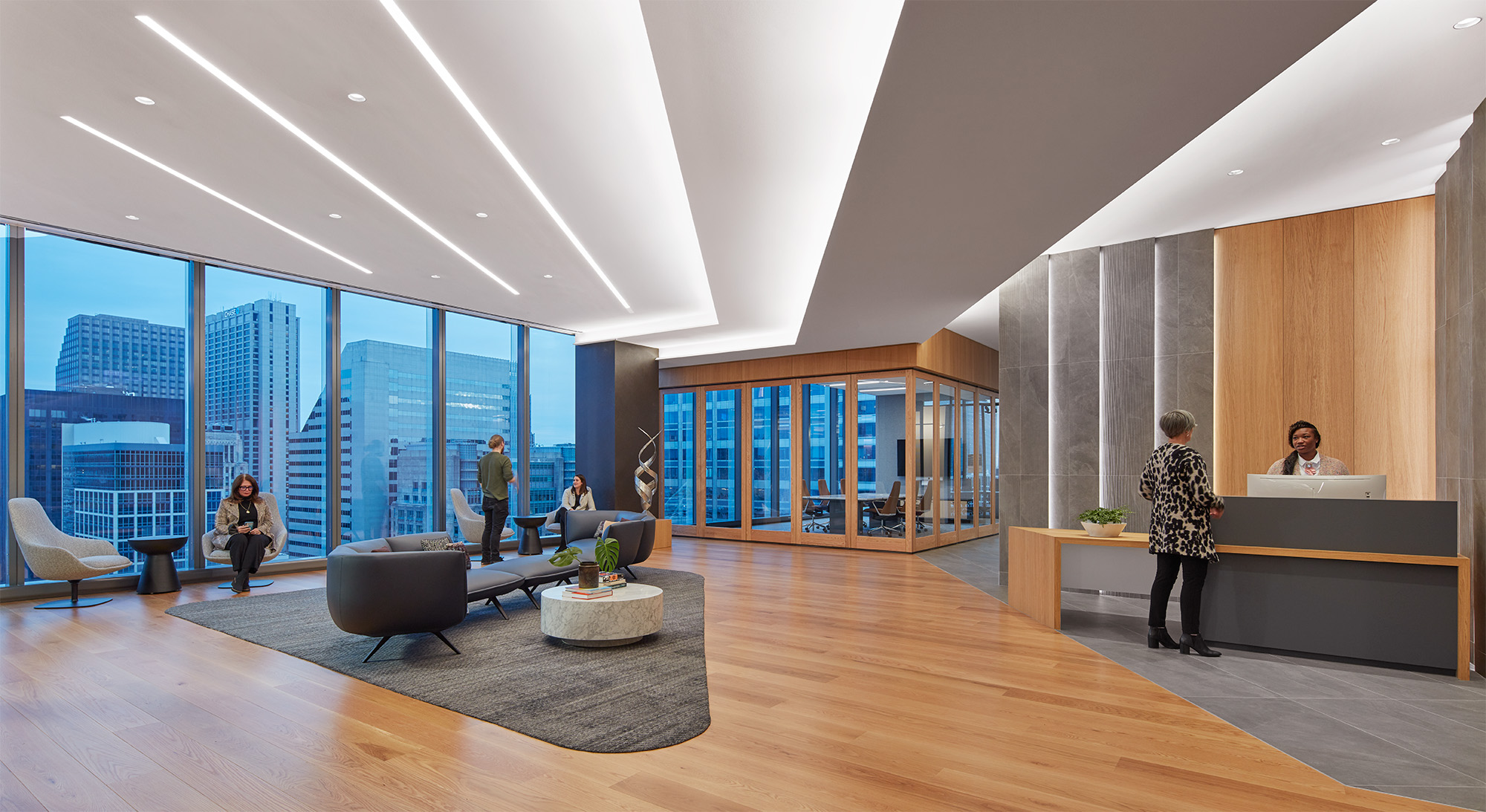
Office lighting technology has advanced rapidly at the fixture level. LEDs, tunable luminaires, and digital drivers are now standard in many commercial spaces. However, despite these improvements, lighting behavior in most offices remains largely unchanged.
The underlying issue is not hardware capability. It is the lack of system-level intelligence. Without a centralized control architecture, even advanced fixtures operate as static assets, limiting flexibility, scalability, and long-term performance.
Many office lighting systems are designed around individual fixtures or small local control zones. This approach satisfies illumination and energy code requirements but creates fragmentation across the building.
Spaces operate independently, schedules vary by area, and changes require manual updates. Over time, this leads to configuration drift, where lighting behavior becomes inconsistent across floors and departments. Managing these environments becomes increasingly difficult as buildings evolve and usage patterns change.
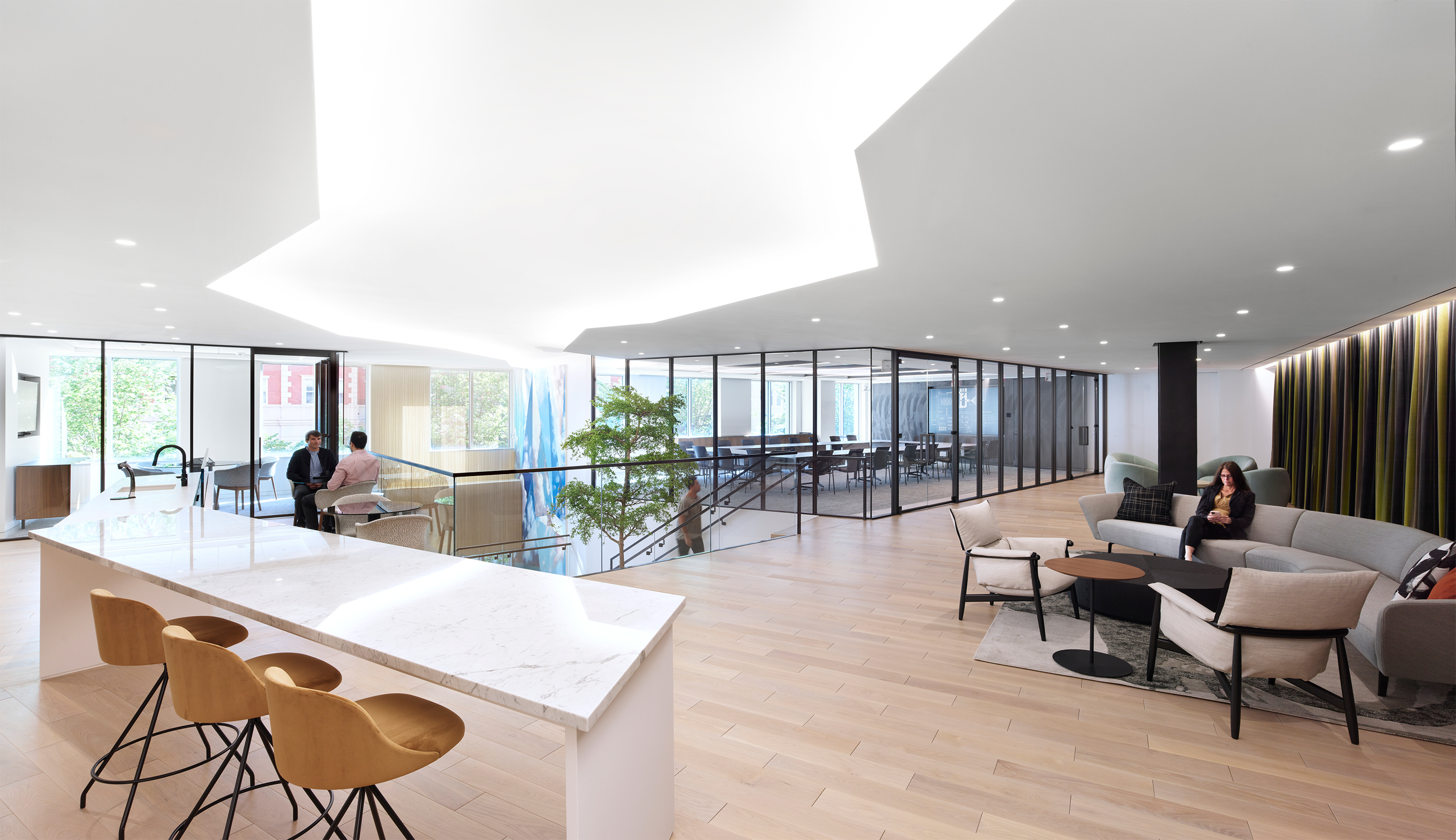
From a technical perspective, commercial lighting functions as a distributed system. Hundreds or thousands of devices must operate in coordination, respond to time-based logic, and adapt to changing conditions.
Local controllers and isolated schedules are not well suited to this level of complexity. Synchronization across zones, consistent application of lighting profiles, and scalable updates require a control layer capable of managing the system as a whole.
Without this layer, modifications often involve workarounds that increase commissioning time and long-term maintenance effort.
As lighting systems scale, software becomes the primary driver of performance. Software-defined lighting separates system behavior from physical hardware, allowing changes to be made centrally rather than at each device.
This approach supports consistent scheduling, coordinated transitions, and the ability to adjust system logic without physical intervention. It also allows lighting strategies to evolve over time instead of being fixed at commissioning.
Platforms such as COMPOSE operate at this control layer, enabling coordinated lighting behavior across fixtures, zones, and spaces.
Many lighting systems rely on static schedules that fail to reflect real building usage. Over time, these schedules become outdated, leading to unnecessary overrides and inconsistent lighting behavior.
A centralized system enables time-based logic to be applied consistently across the building. Adjustments can be made globally, reducing the need for manual intervention while improving predictability and user experience. This consistency also simplifies ongoing operations and reduces maintenance overhead.
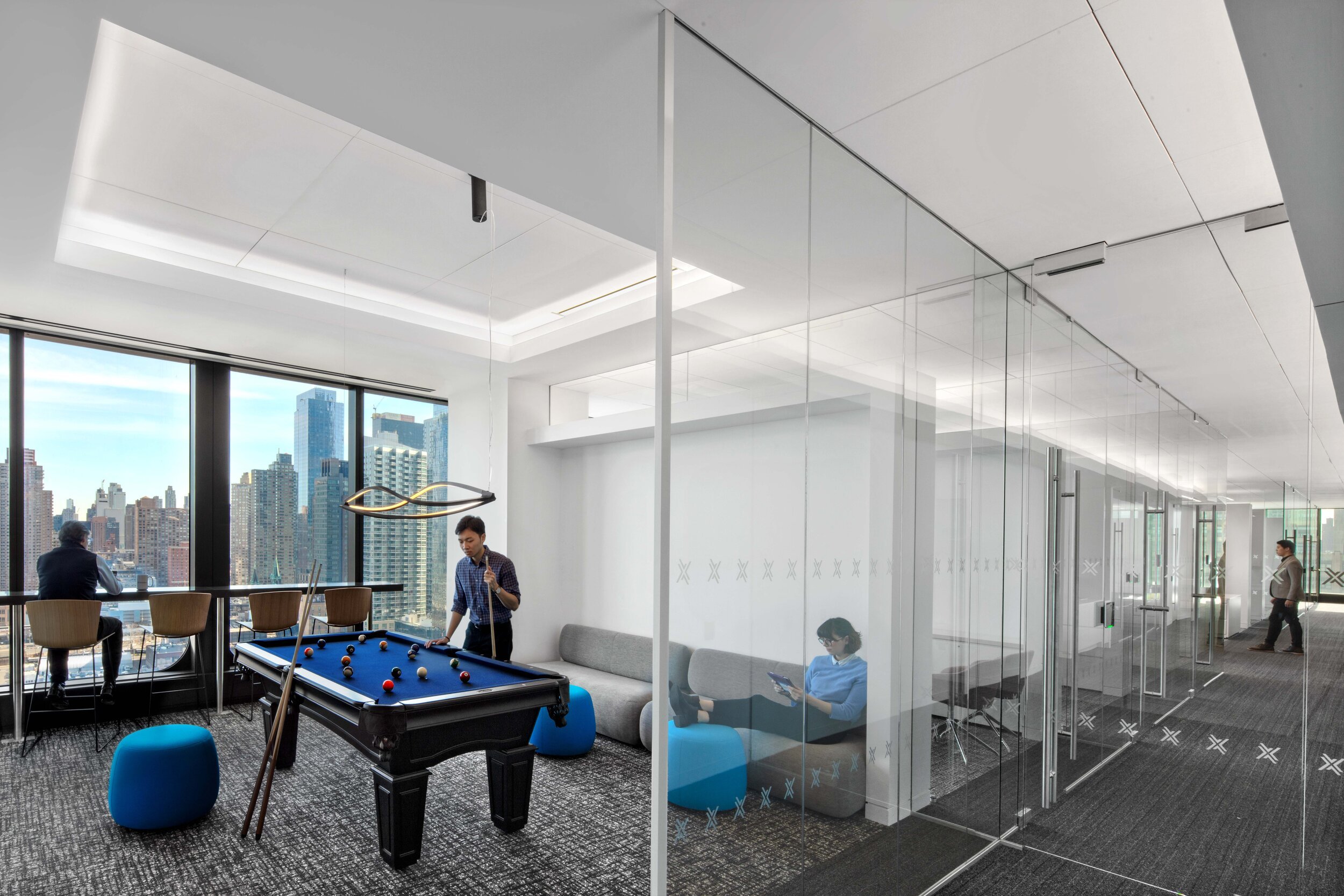
Modern offices contain a wide range of space types, including focused work areas, collaborative zones, and meeting rooms. Each requires different lighting behavior, often within the same floor.
System-level control allows these zones to operate independently while remaining part of a unified architecture. Changes to layouts or usage can be accommodated through software configuration rather than hardware modifications, supporting long-term flexibility.
This capability is particularly important in hybrid workplaces where occupancy patterns change frequently.
Lighting interacts with other building systems such as daylight controls, occupancy sensing, and energy management. Without a centralized platform, these interactions are often limited or inconsistent.
A software-driven lighting system enables tighter integration with the broader building ecosystem. Lighting becomes a responsive component of building operations rather than a static utility, supporting better coordination and data-driven optimization.

As commercial buildings continue to evolve, lighting systems must support scalability, adaptability, and long operational lifecycles.
The transition to software-defined lighting is driven by the need for consistency, control, and flexibility. Platforms like COMPOSE provide the system-level intelligence required to manage complex lighting environments effectively.
By shifting control from individual fixtures to a centralized software layer, lighting systems become easier to operate, easier to adapt, and better aligned with how modern buildings are used.